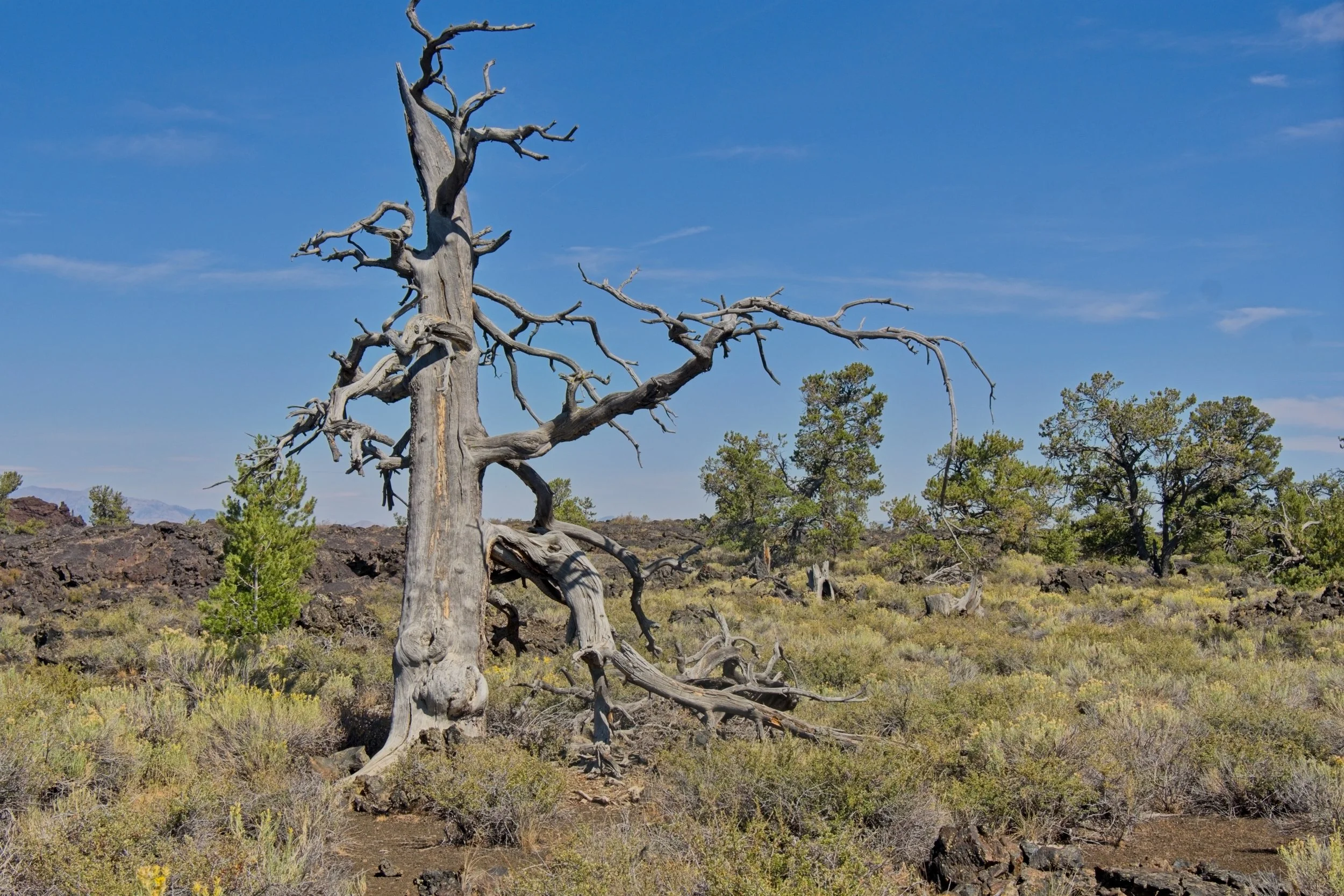
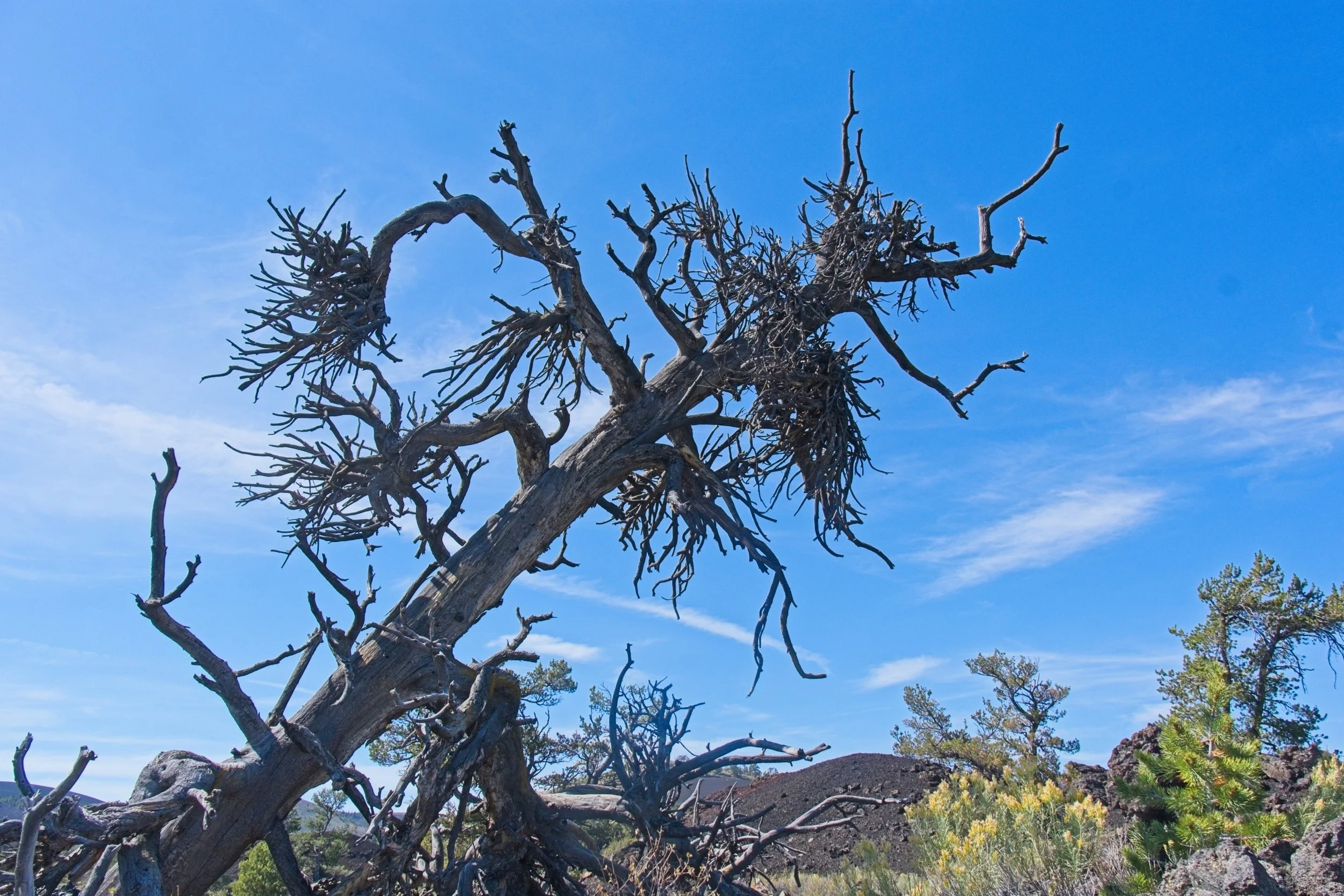
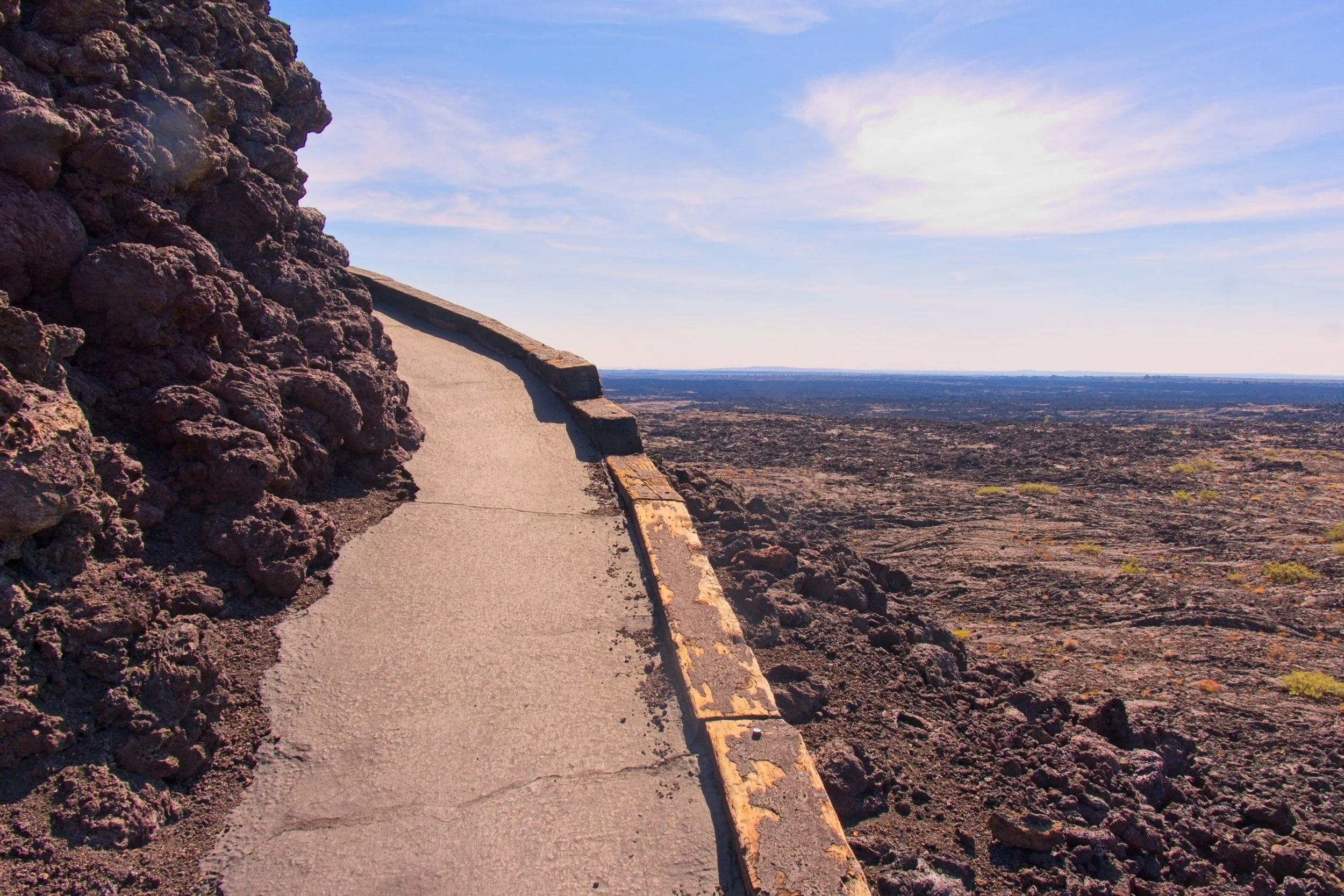
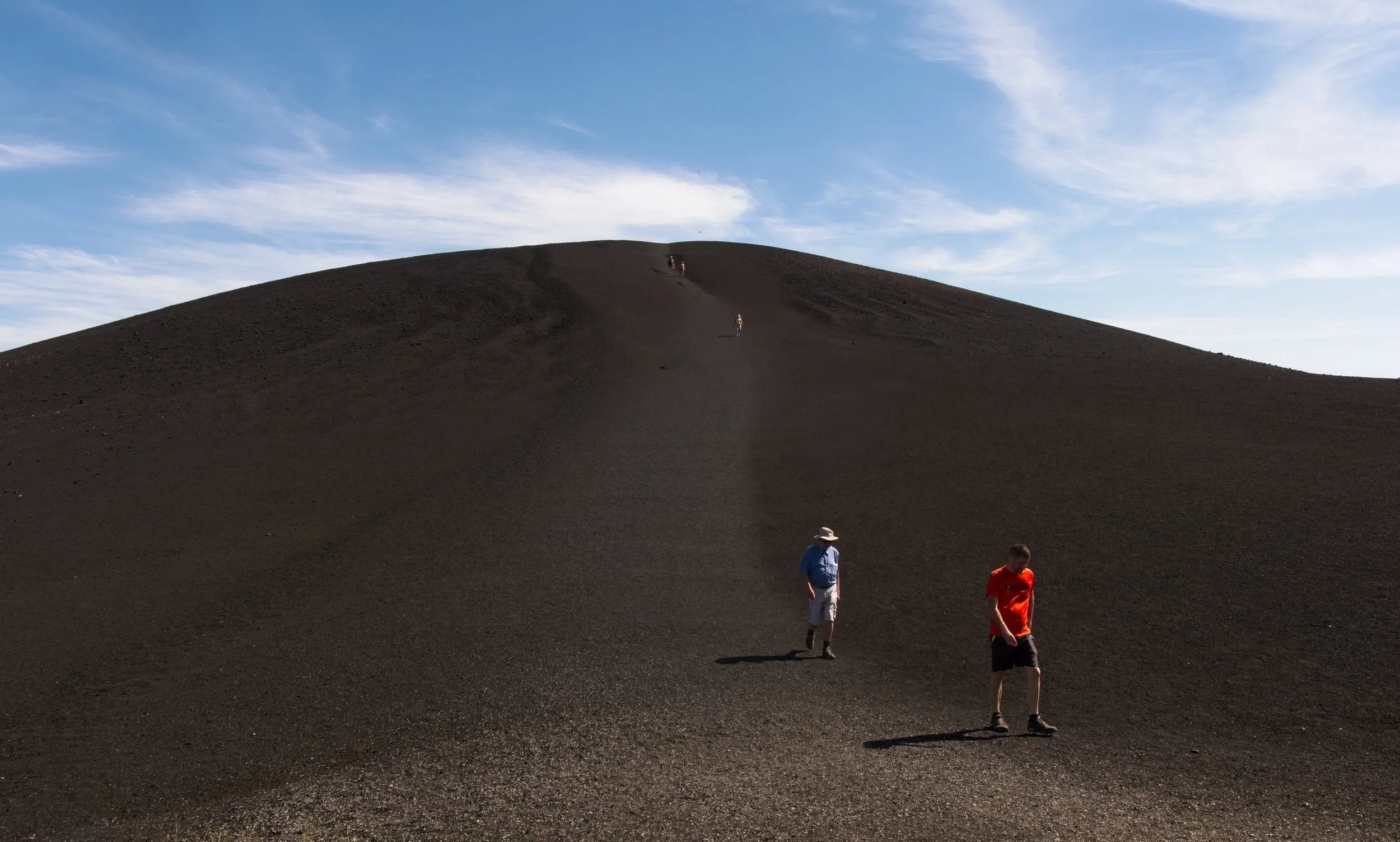
This was a short visit to an unexpectedly interesting park. I was not excited about this stop. Yet, if you plan to photograph as many National Park Service units as possible, you don’t ignore one. We did about 4 hours in the park and two short hikes across the landscape described as “a vast ocean of lava flows with scattered islands of cinder cones and sagebrush.”
Sunday Scripture: Photo is of the Savage River, Denali National Park, Alaska /
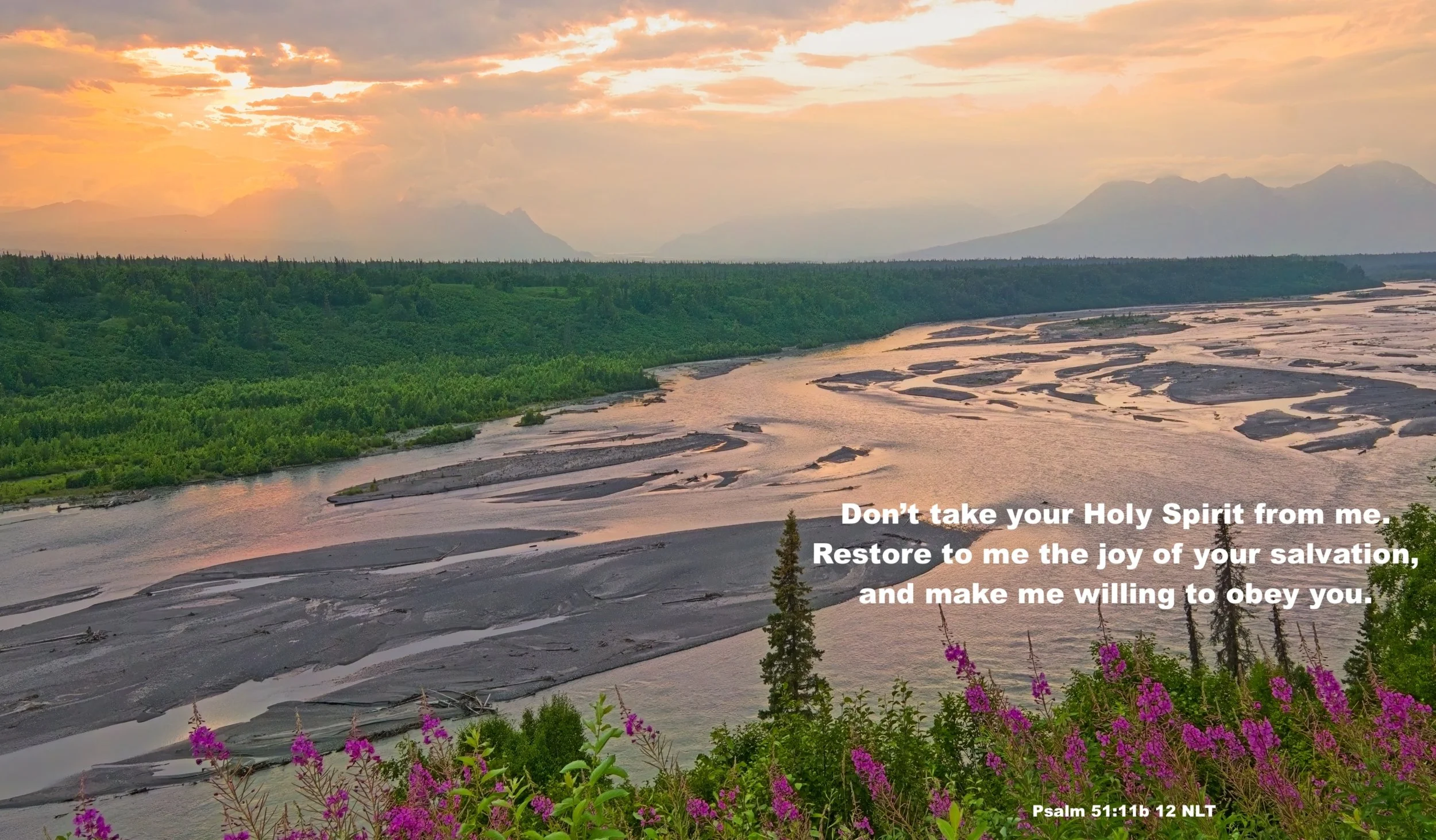
Harry Potterish too /
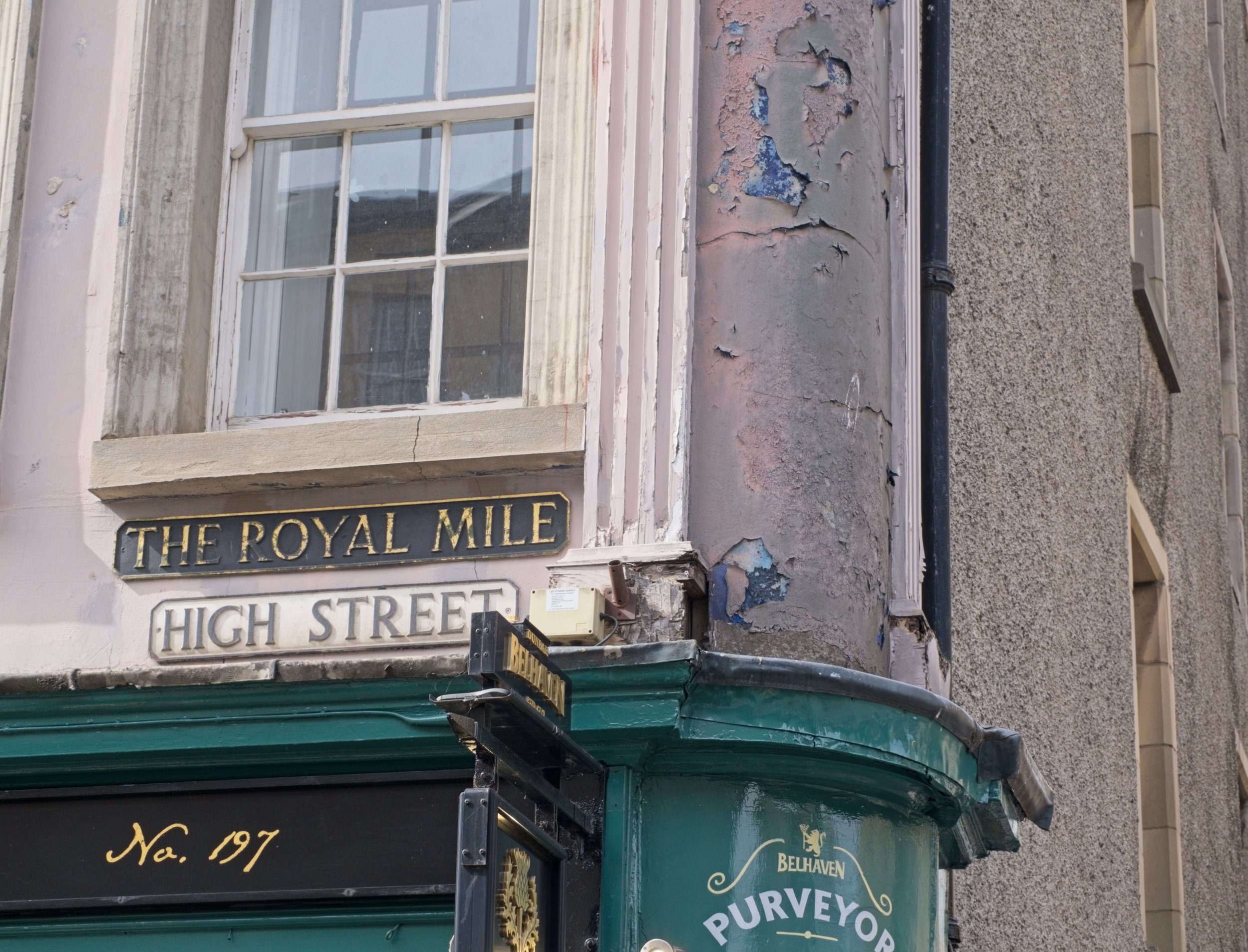
A note on the first photo. Our walking tour guide told us the unicorn was selected by Scotland for its emblem because in mythology the unicorn with its horn is the mortal enemy of the lion (England’s symbol). I don’t know if that is true but it was a good story.
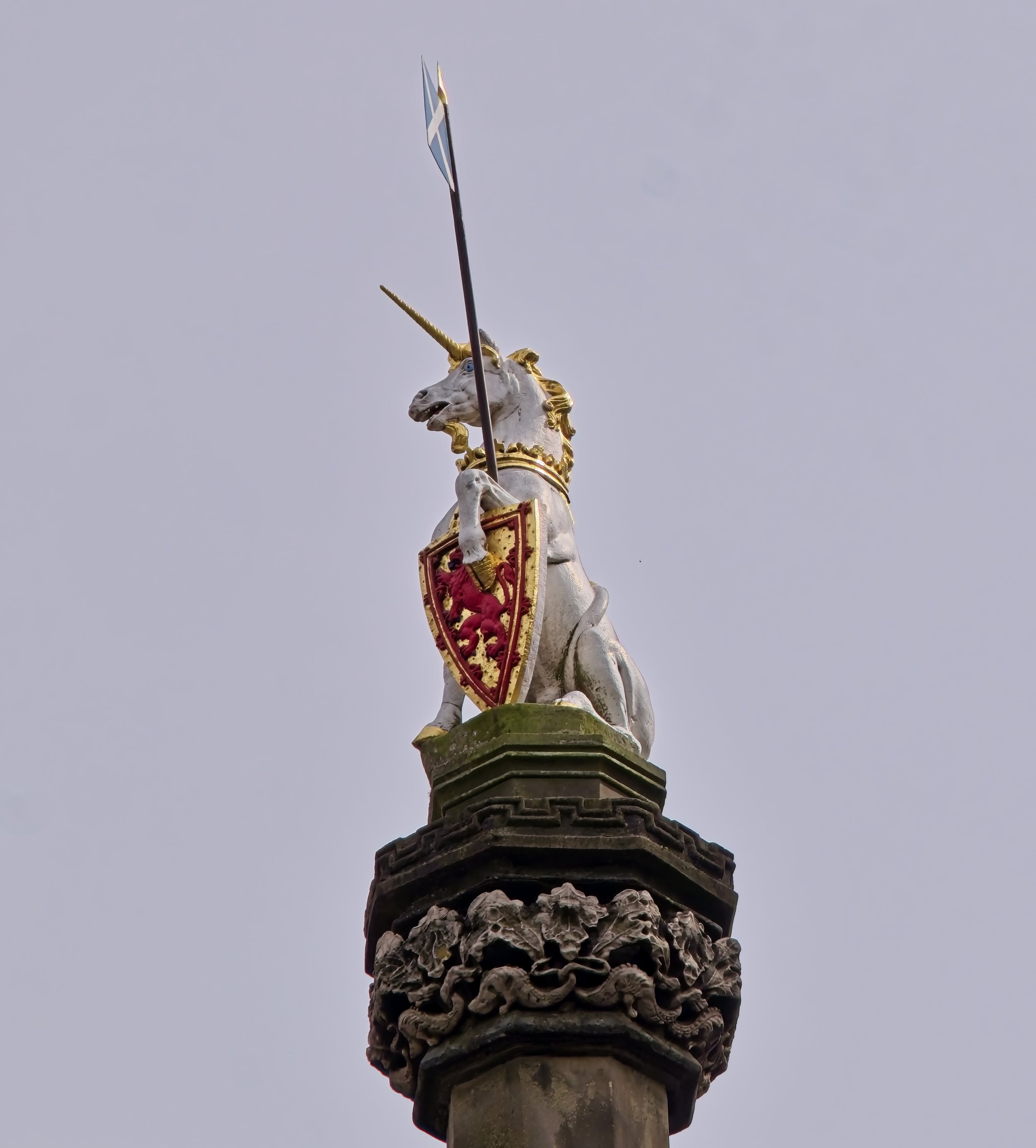
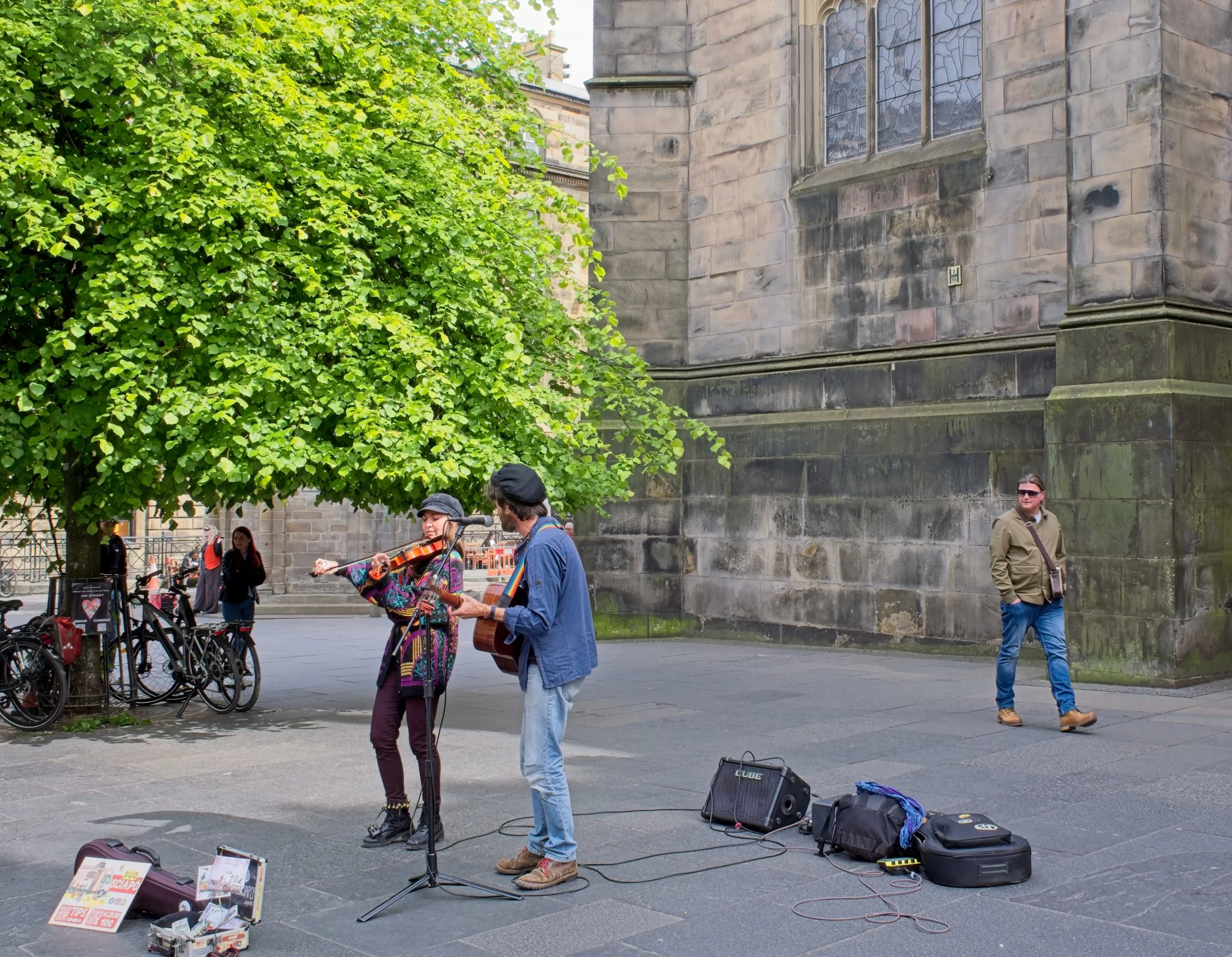
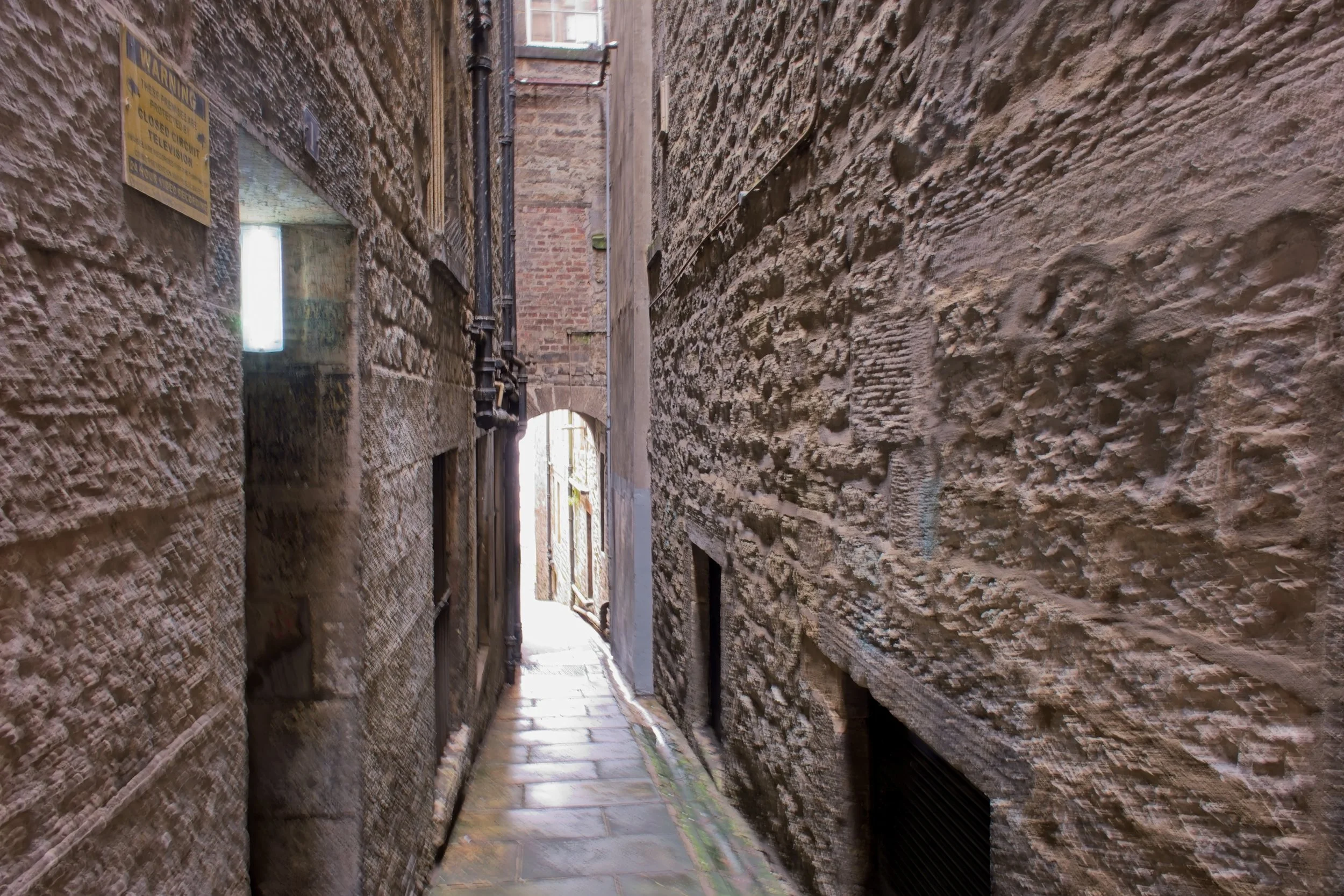
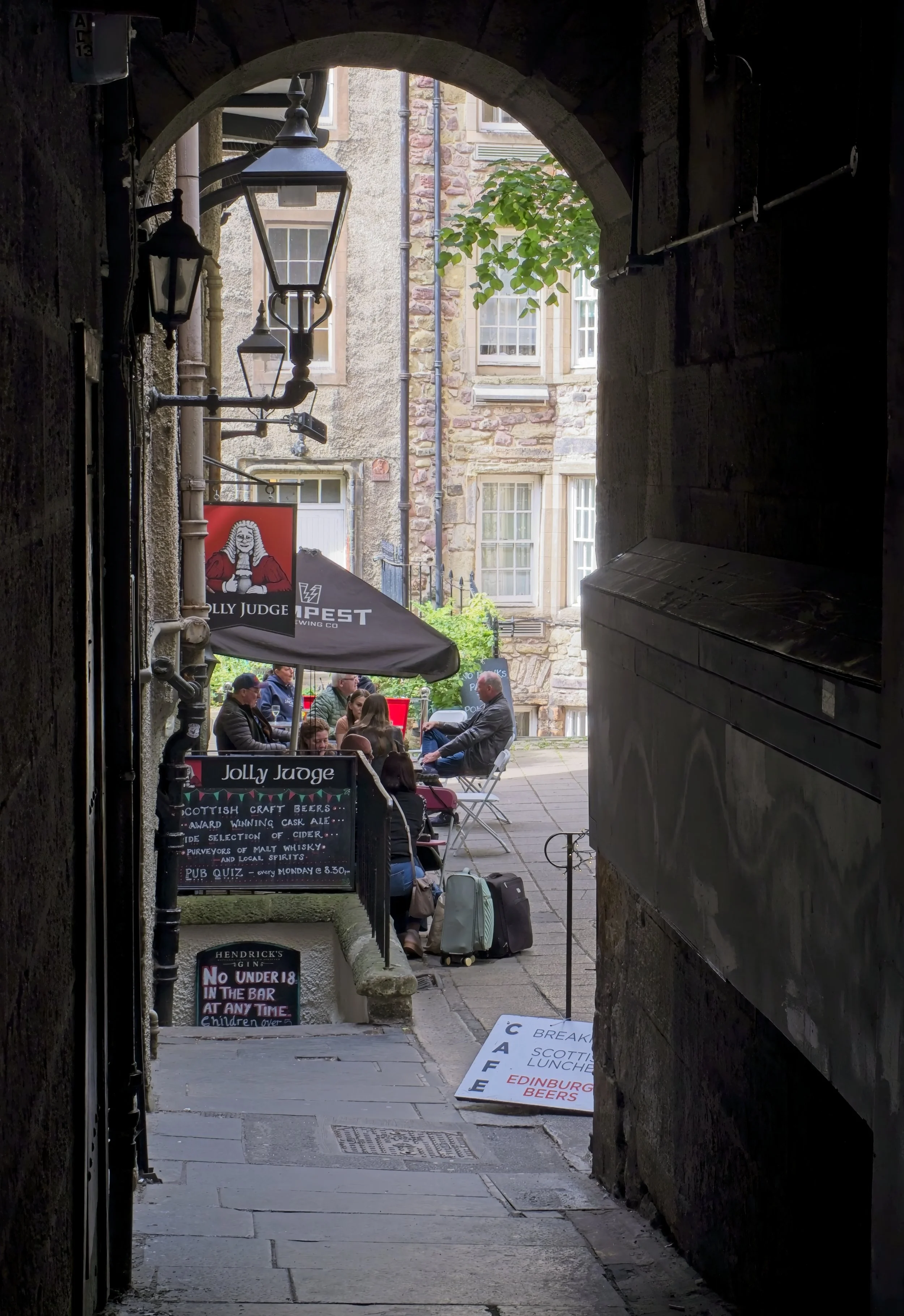
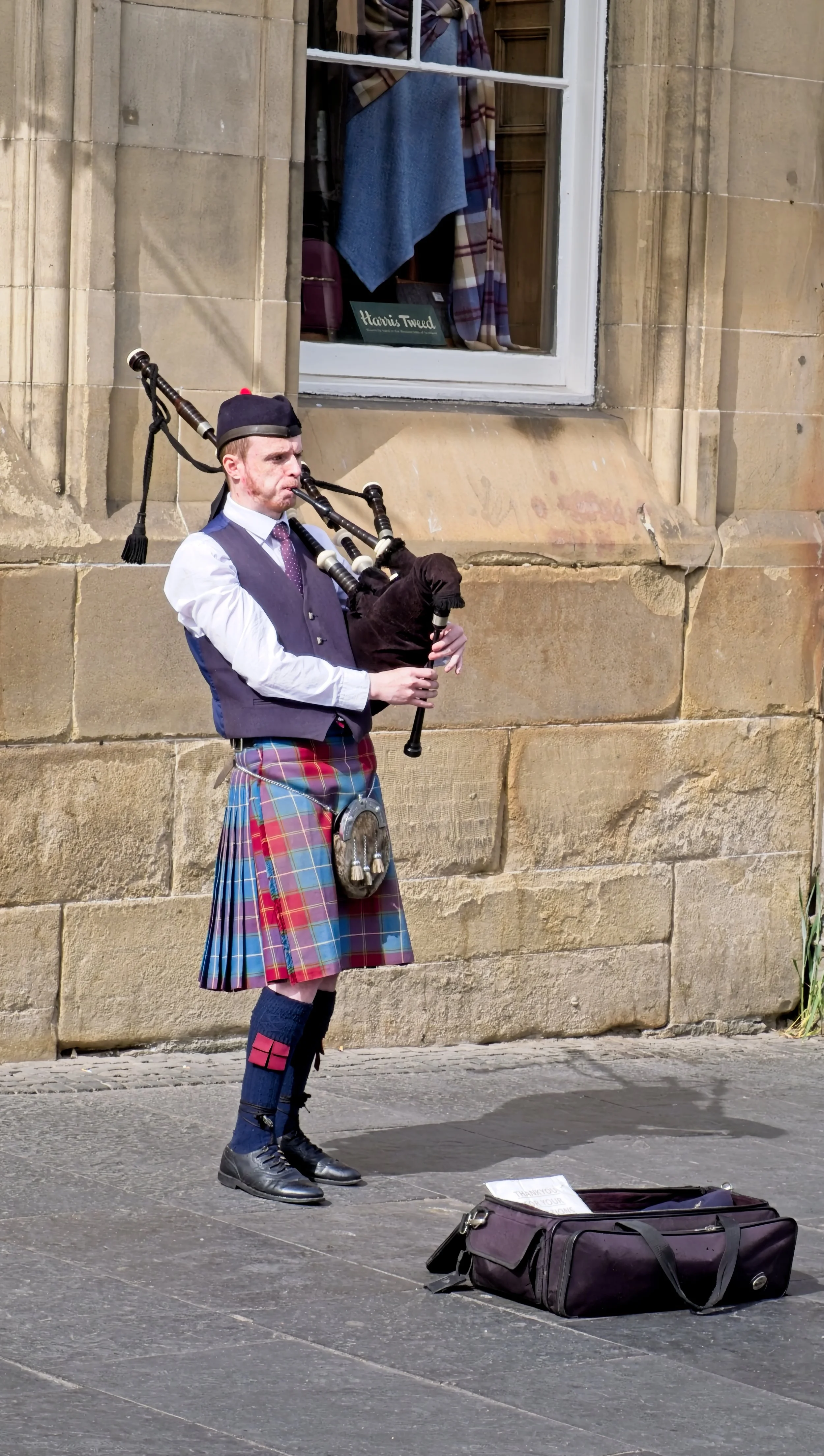
Harry Potterish /
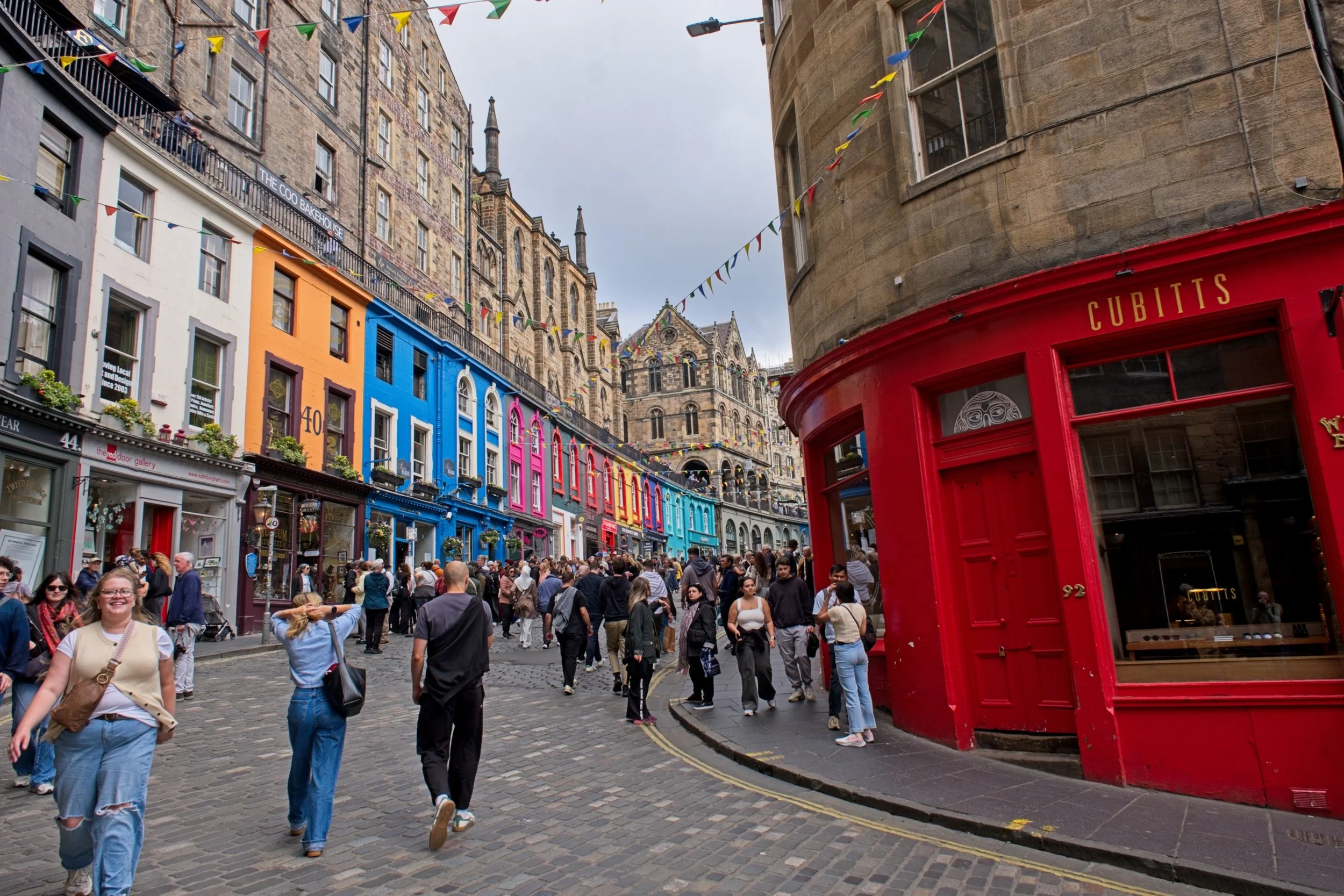
I may be the last person in the world to not have read or watched a Harry Potter story. It is said that the author of those books wrote a portion of them in a coffee shop in Edinburgh and that a couple of the streets provided some inspiration for settings in the books. Thus I present some random Edinburgh street scenes.
Iona /
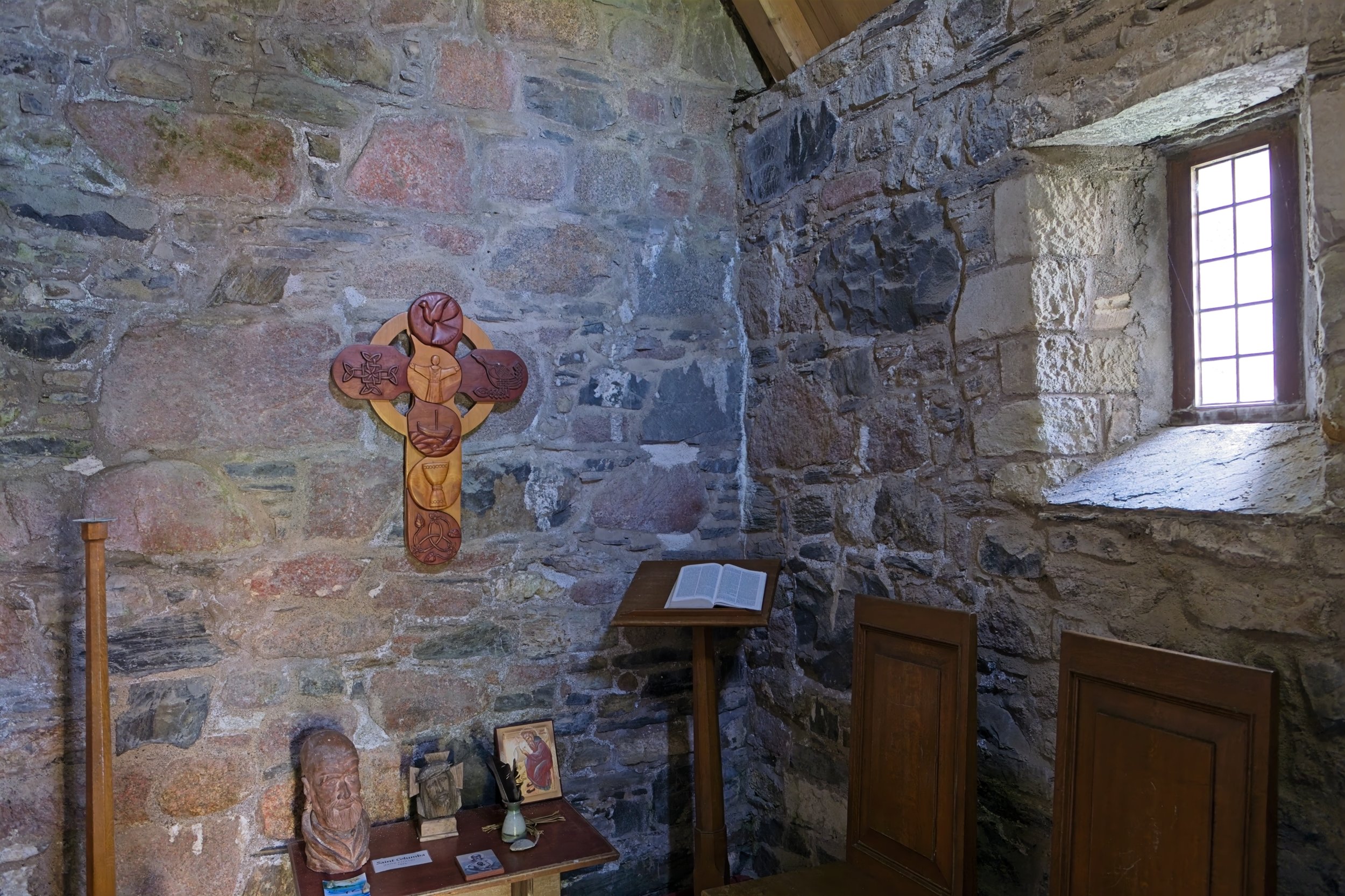
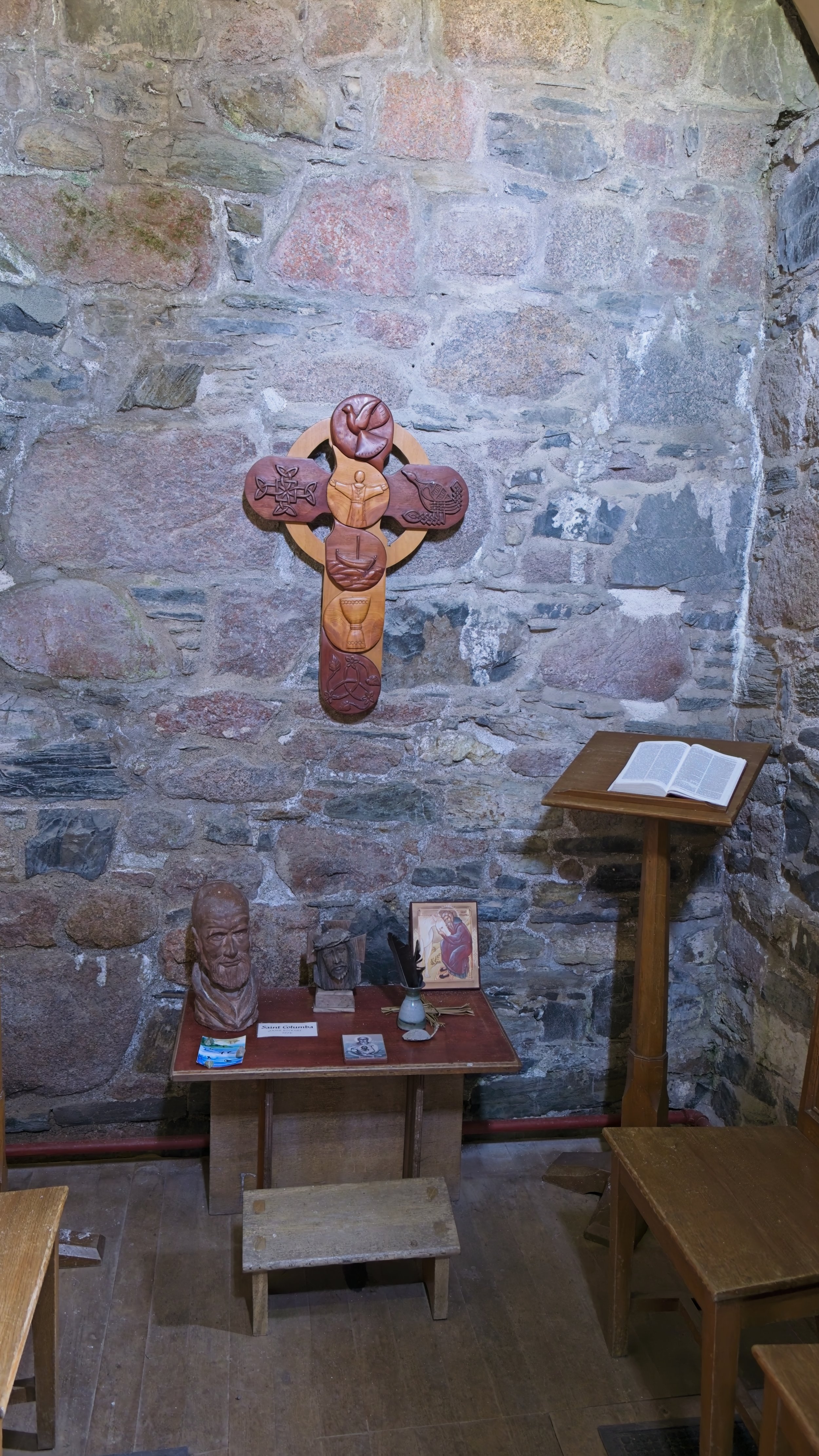
This is a very small chapel dedicated to the, Columba, founder of the mission on Iona, Scotland, in 532. The chapel contains a portion of the original wall from the church built in the 8th century.
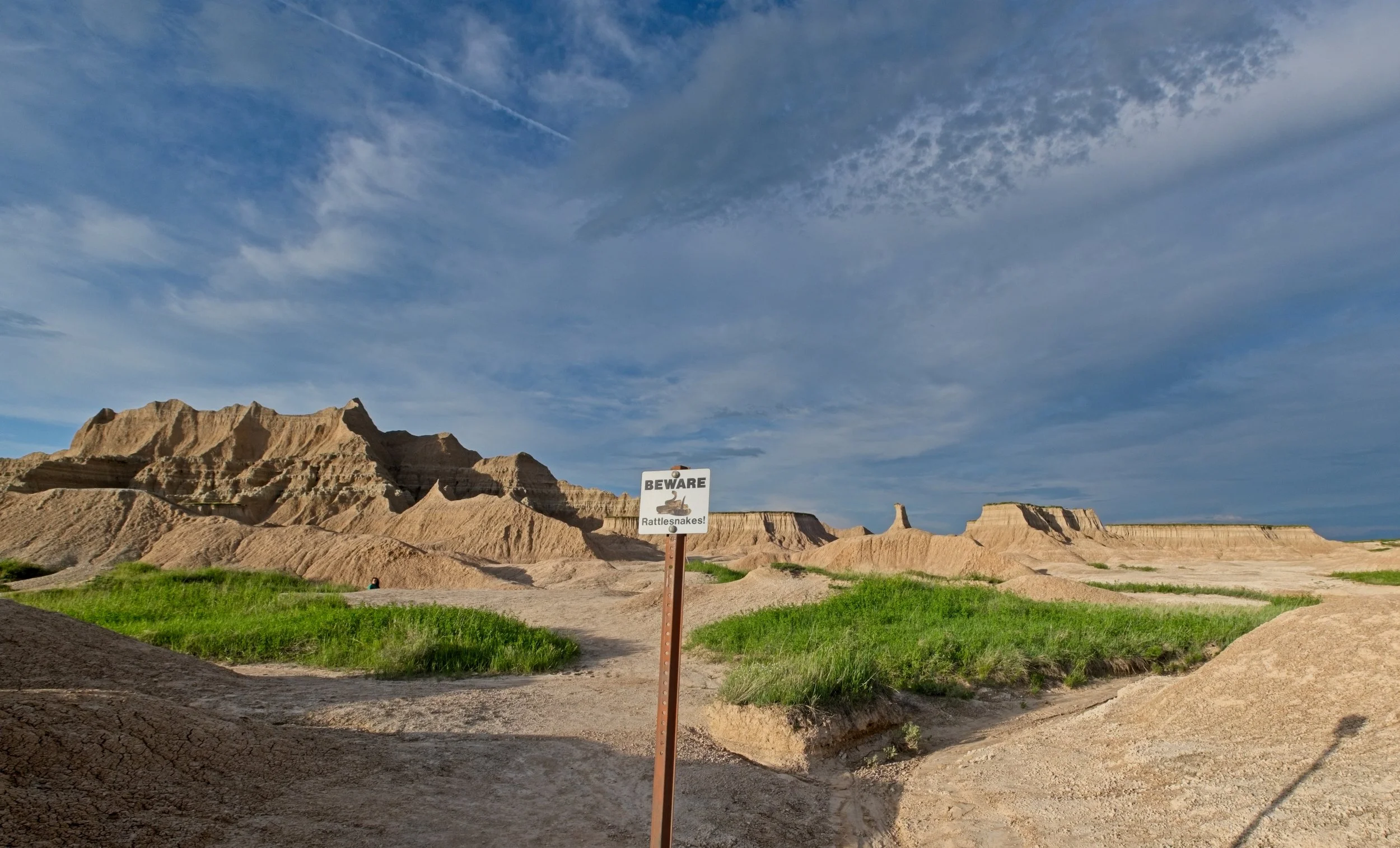
Badlands /
A most inhospitable place but one of beauty and drama. Love the time spent here.
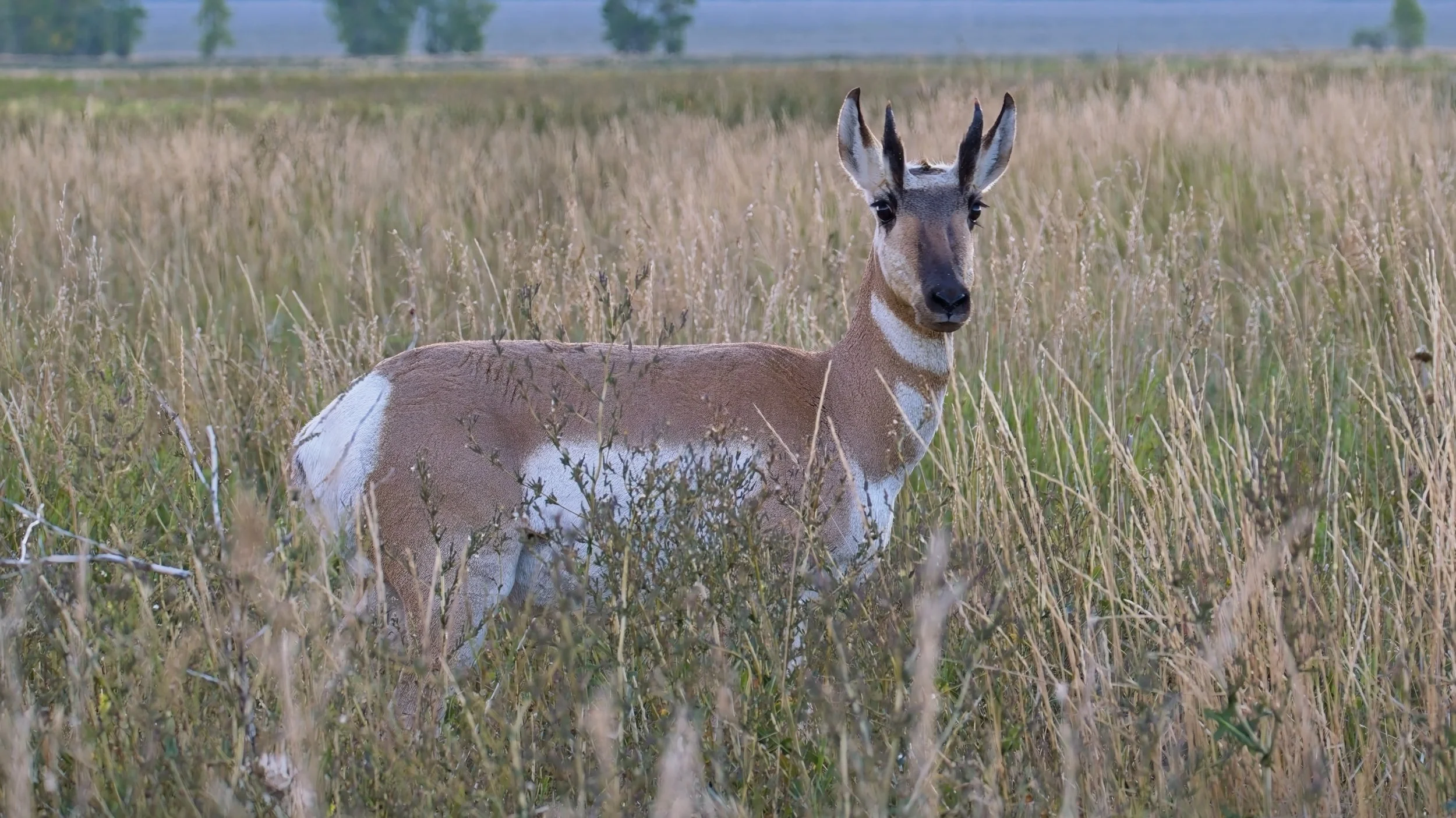
Pronghorn /
You usually view these stunning members of the antelope family bounding across fields while you drive along the interstate highway in several western states. This one was grazing in a field in Texas along a two lane highway. I stopped the car and waited as it wandered closer and got this photo as it looked alertly for signs of trouble before returning to dinner. Note the eyelashes!
Craters of the Moon National Monument /
There are some strange National Park Service places among the 430 or more now units and this one certainly qualifies. The huge mound of ash reminds me of a super large slag heap like dotted the landscape around the steel mill of Pittsburgh where I grew up. There was a lone tree on the top of this place.
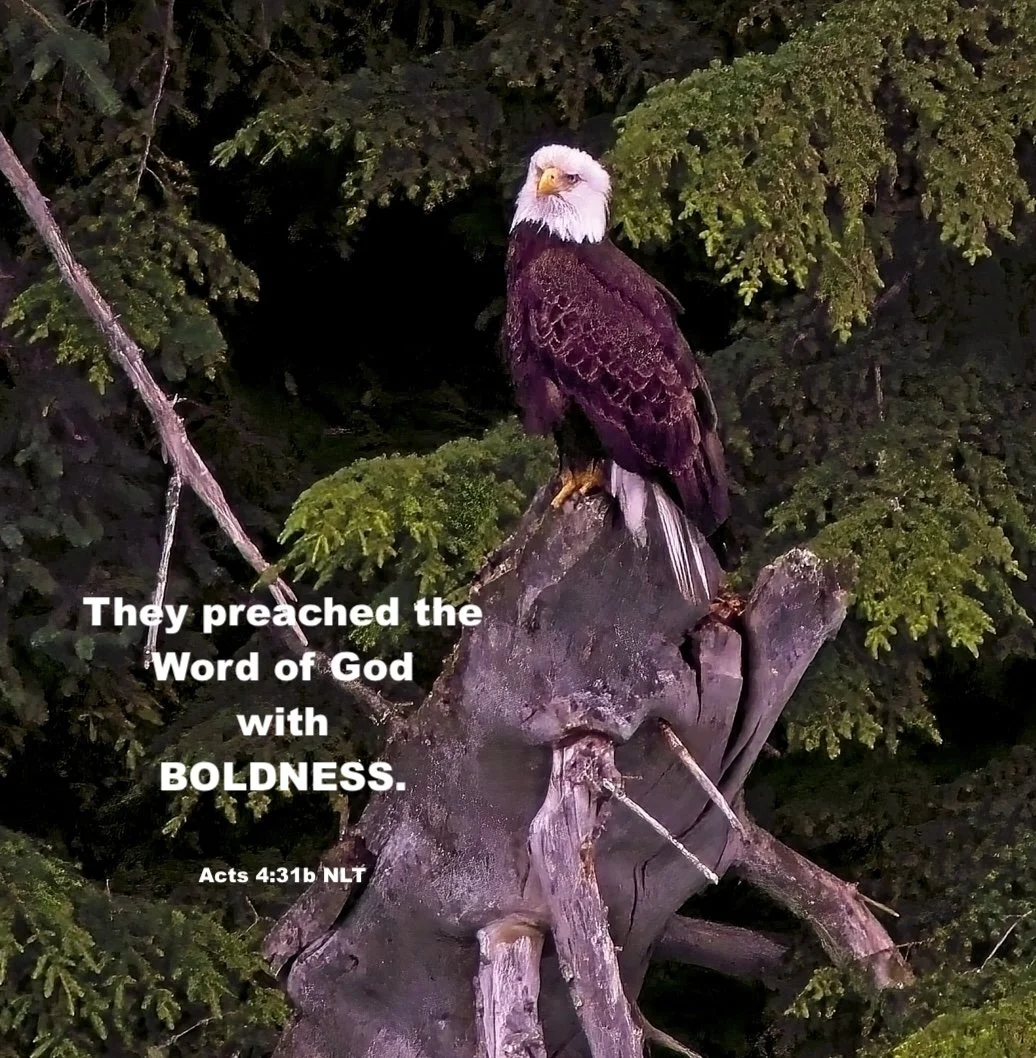
Sunday Post - First Bird Week 2026 - Bald Eagle, photo taken in Alaska /
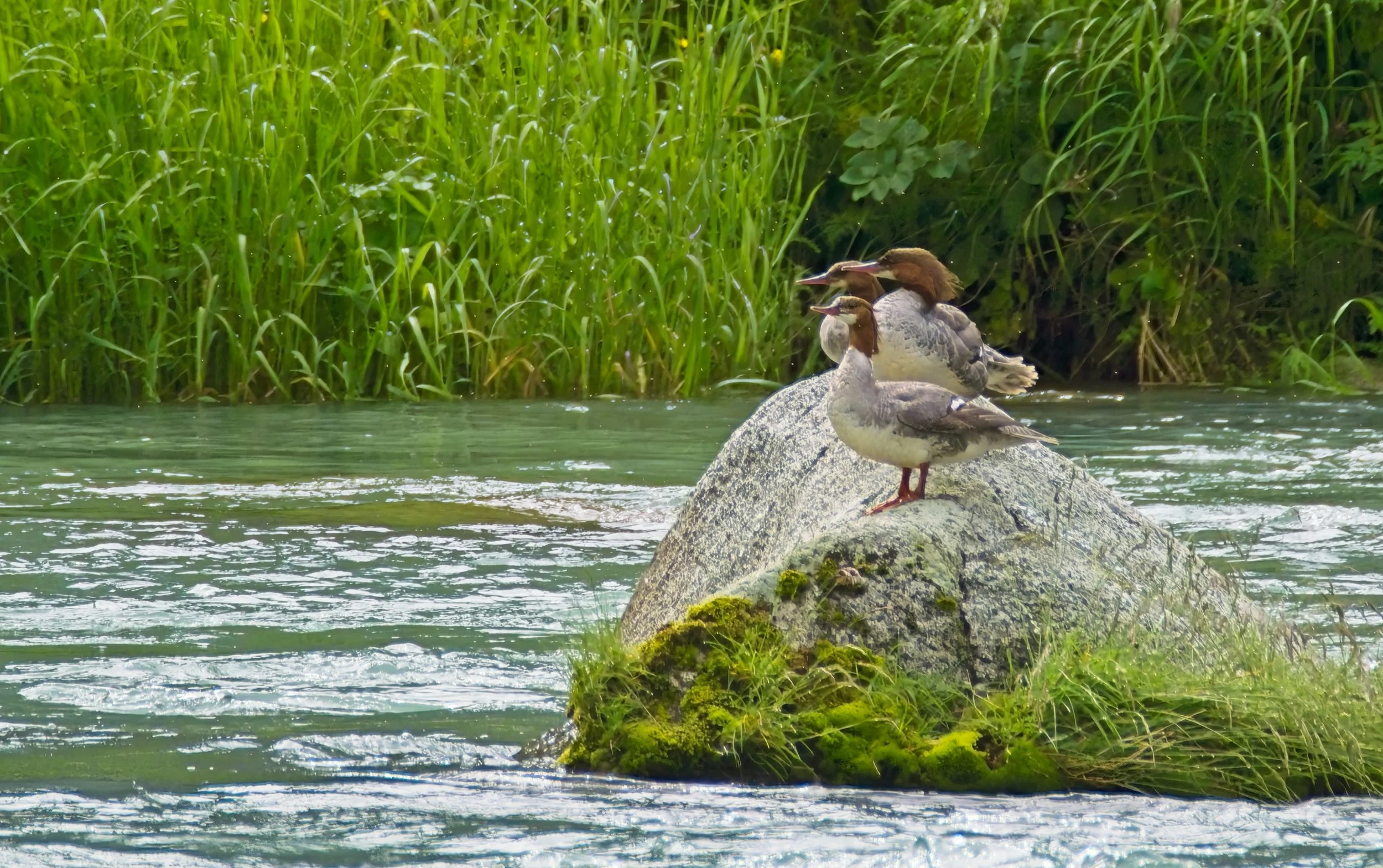
First Bird Week 2026 - Common Mergansers /
These are tricky. At first I assume I am looking at female Common Mergansers but non-breeding males are nearly identical. Only size is the distinct note, the white patch under chin is smaller on females but very difficult to see a difference. So I thought two males and a female but then read that the immature male is the same size as a female. So, perhaps a boys night out. Photographed in Alaska.
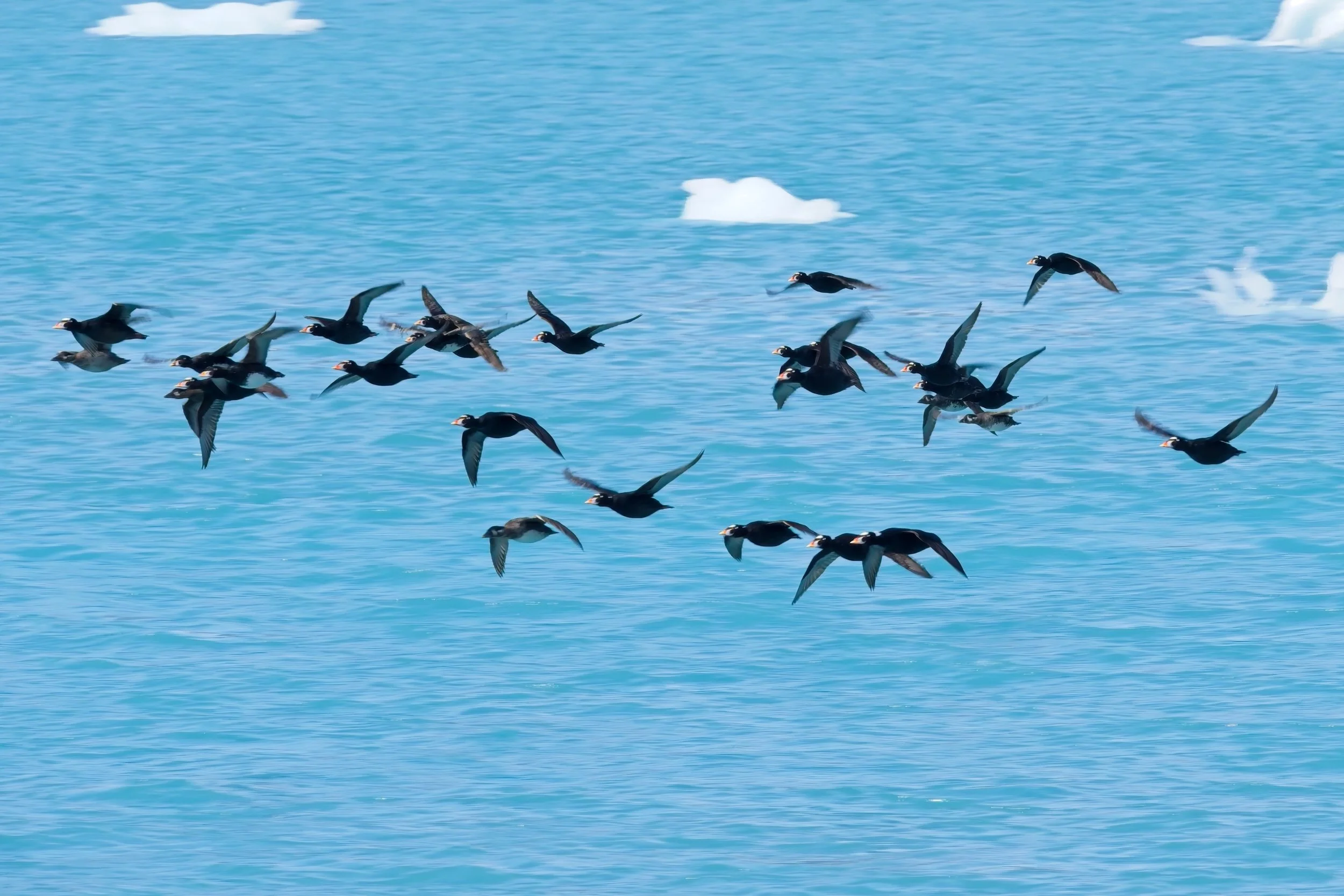
First Bird Week 2026 - Surf Scoters /
This flock of fast moving birds was photographed in the bay near Valdez, Alaska. We were on a boat trip to see a huge glacier yet the wildlife on the way was more than worth the admission. Seals, puffins, whales, otters and much more made this trip on the Lulubell a very special day. As these are seabirds I had seen them at a great distance but never this close.
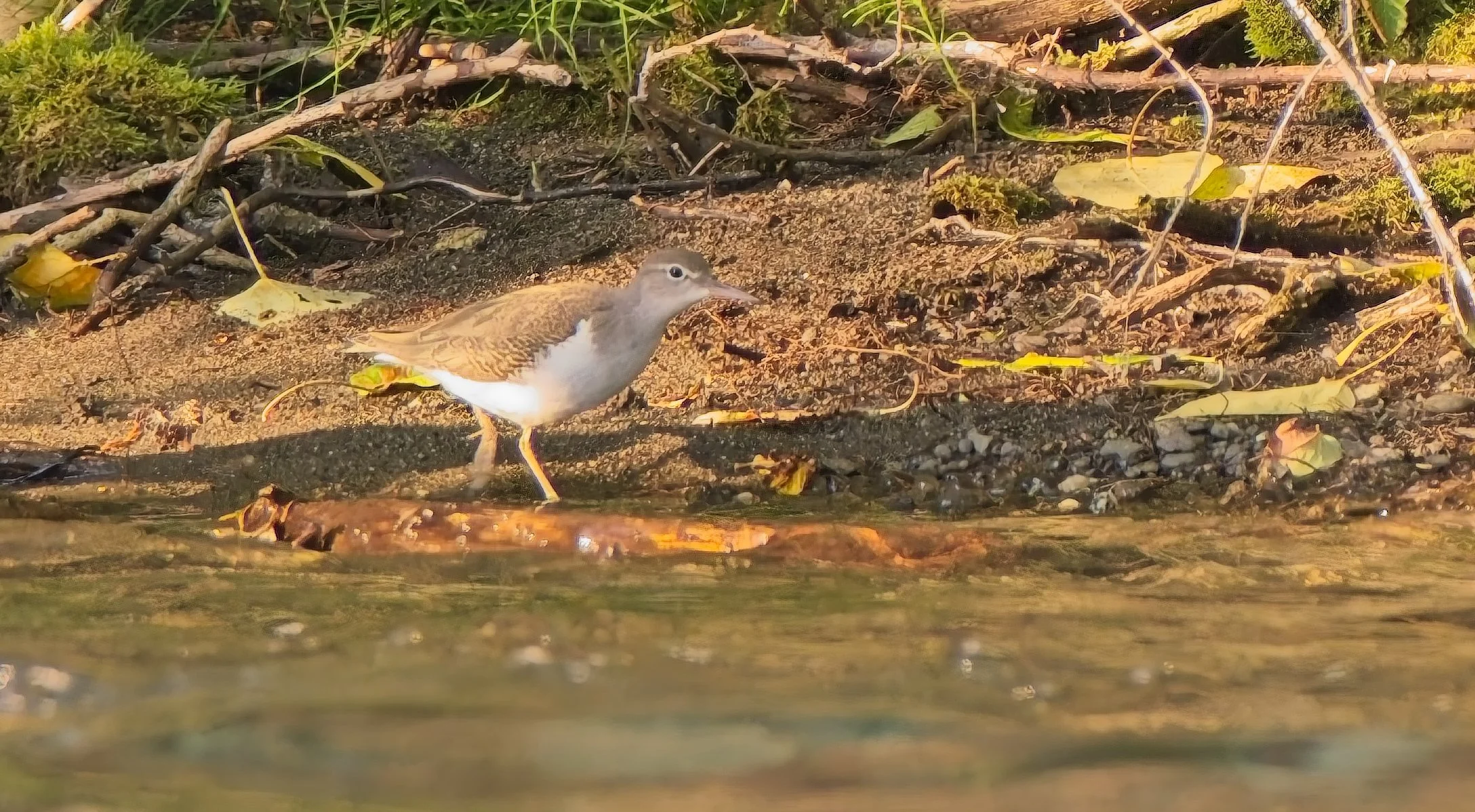
First Bird Week 2026 - Spotted Sandpiper, immature /
This bird was confusing at first because of the lack of spots on the breast. But the eye-strip and the yellow legs coupled with the brown back and crouched walk were the clues needed and the bird book confirmed with a photo of the immature. So this is a few weeks old and photographed in Yellowstone National Park.
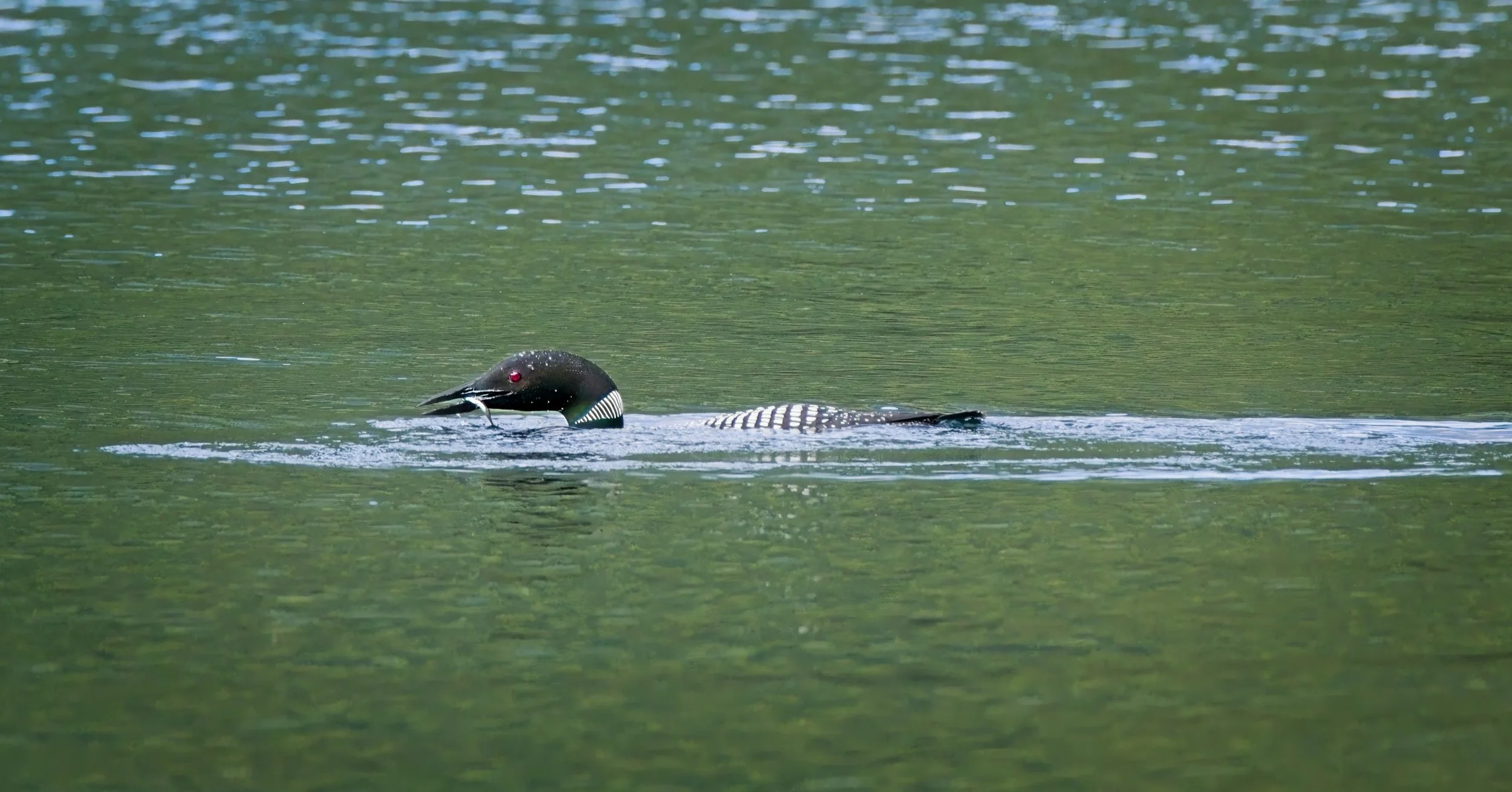
First Bird Week 2026 - the Common Loon /
Whlie the name of the Loon is Common, this photo is not. Nearly all of the considerable amount of fish an adult loon eats is done while under the water. I had not seen one with a fish before and was very fortunate to get his shot of him surfacing with dinner intact. The loon is seen in summer across the very northern tier of the US and across all of Canada. One of my favorite things is to find a pond or stream where they are calling in the evening. This photo was shot in Acadia National Park.
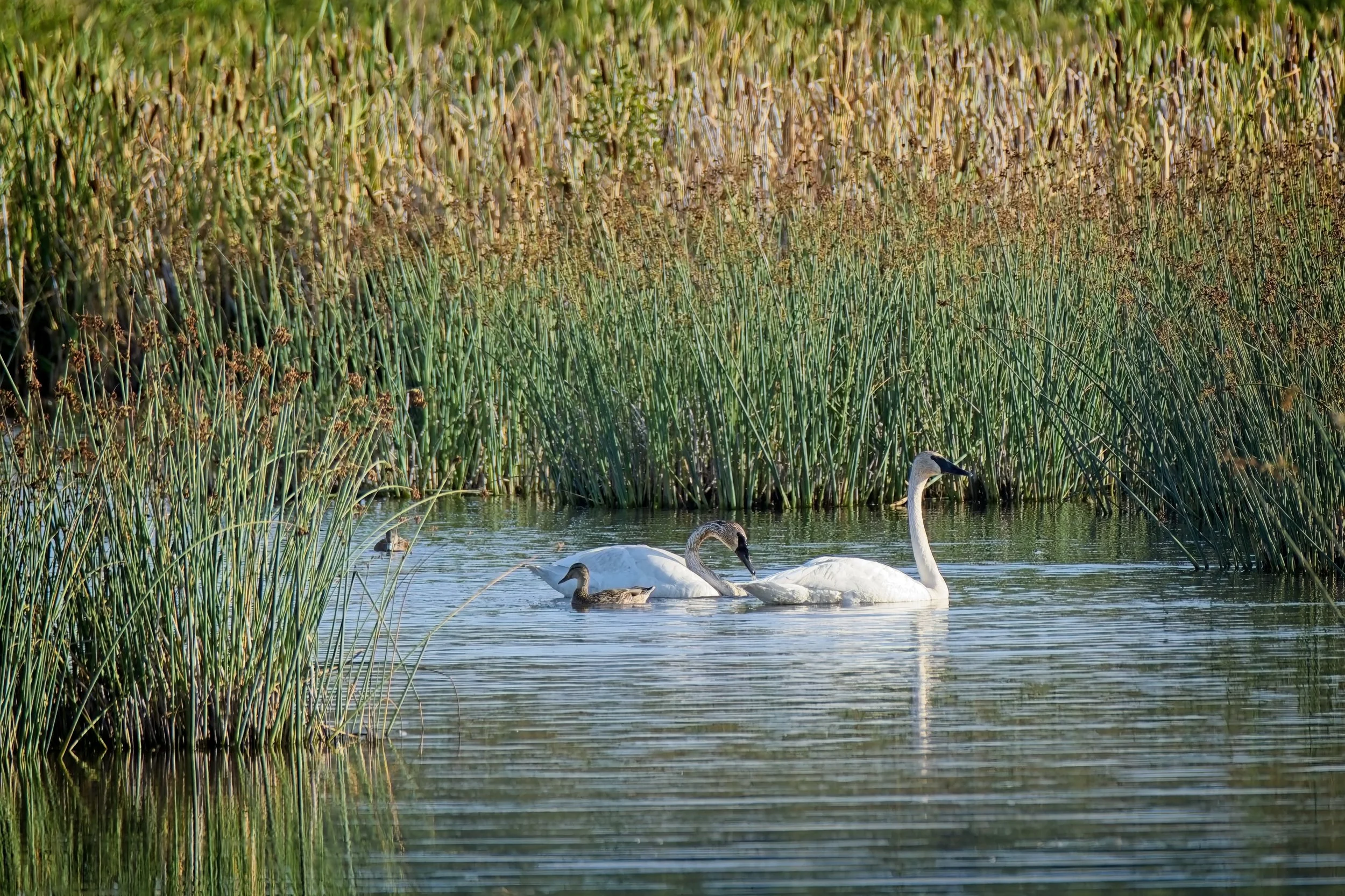
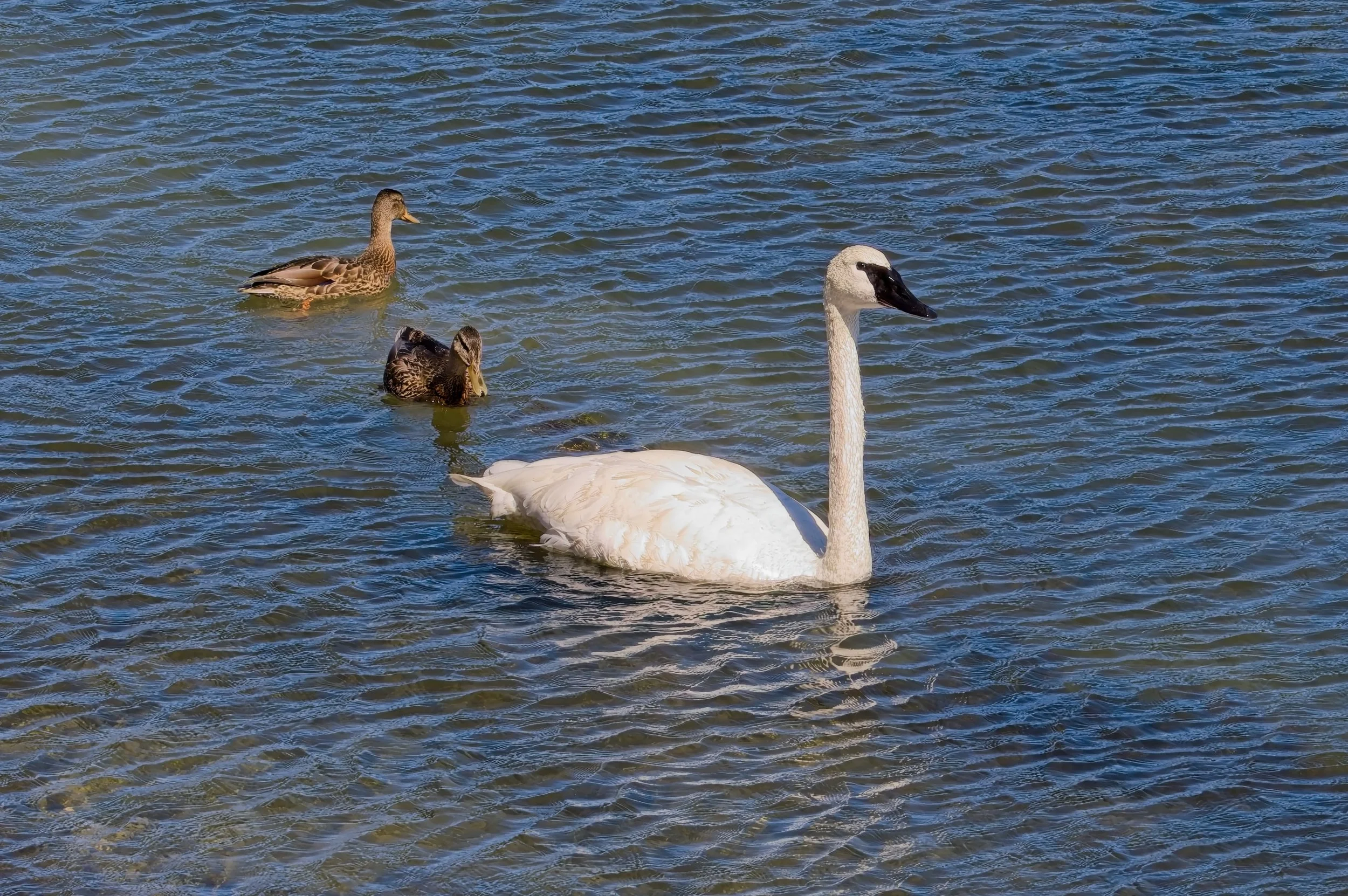
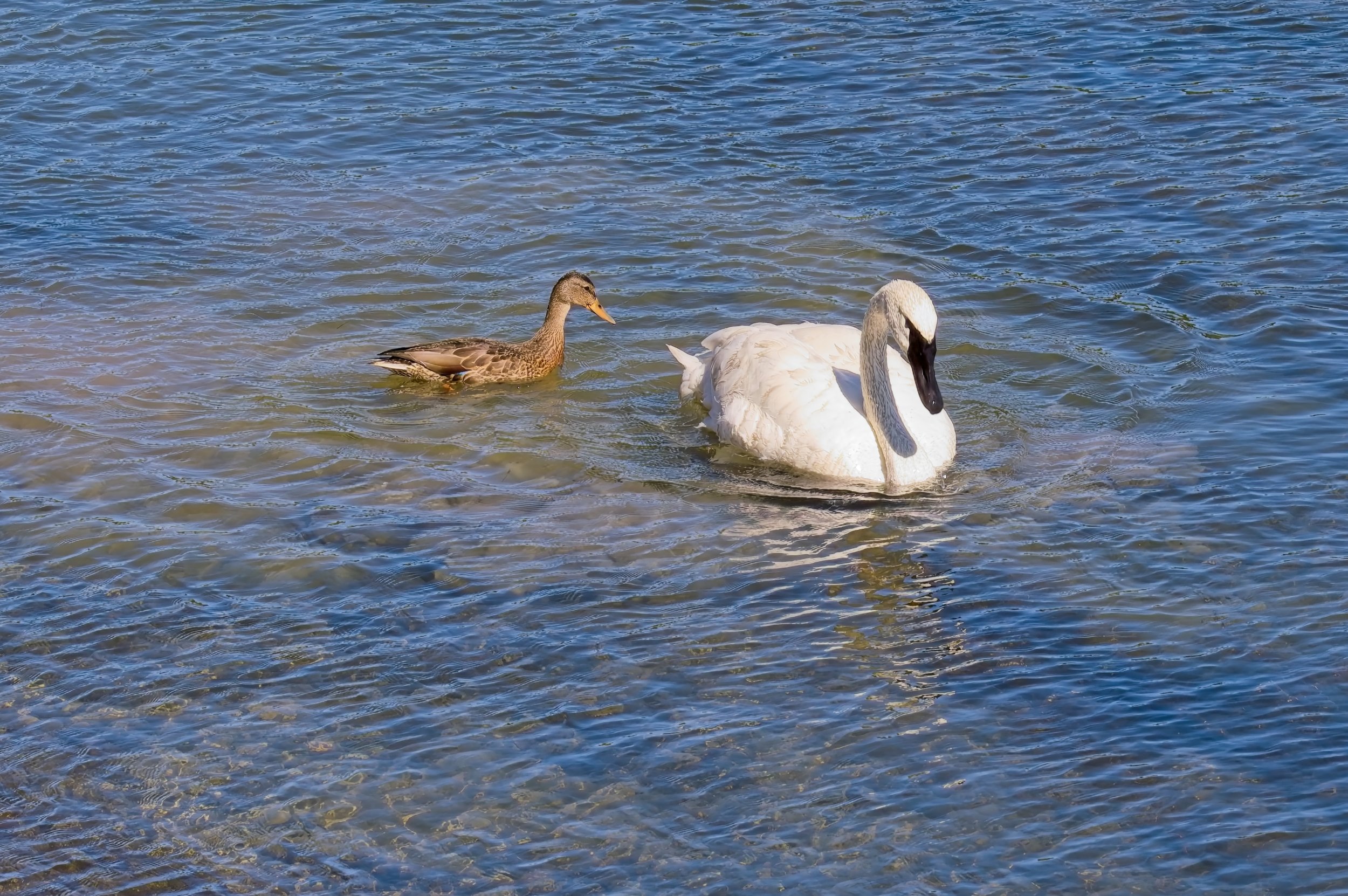
First Bird Week 2026 - the graceful Trumpeter Swan (3 photos) /
The Trumpeter Swan is the largest swan seen in North America and is more common most of the year in the far north and usually western US and Canada. However in recent years they have made a recovery in the eastern provinces of Canada. Once hunted nearly to extinction they are now a thriving species and can be seen in large numbers wintering along the Atlantic coast particularly in North Carolina. First photo was near Anchorage the next two in Wyoming.
Welcome to the First Bird Week of 2026 /
Yes, Bird Week! I can hear the roar of crowds across the land, the applause of people in Paris, Rome, Rio, Prague, New Delhi, Anchorage, Haifa, Nairobi, Lima and so many more cities across the globe as the long wait is over. Yes, seven full days of Bird Week 2026 #1 as the celebrations continue.
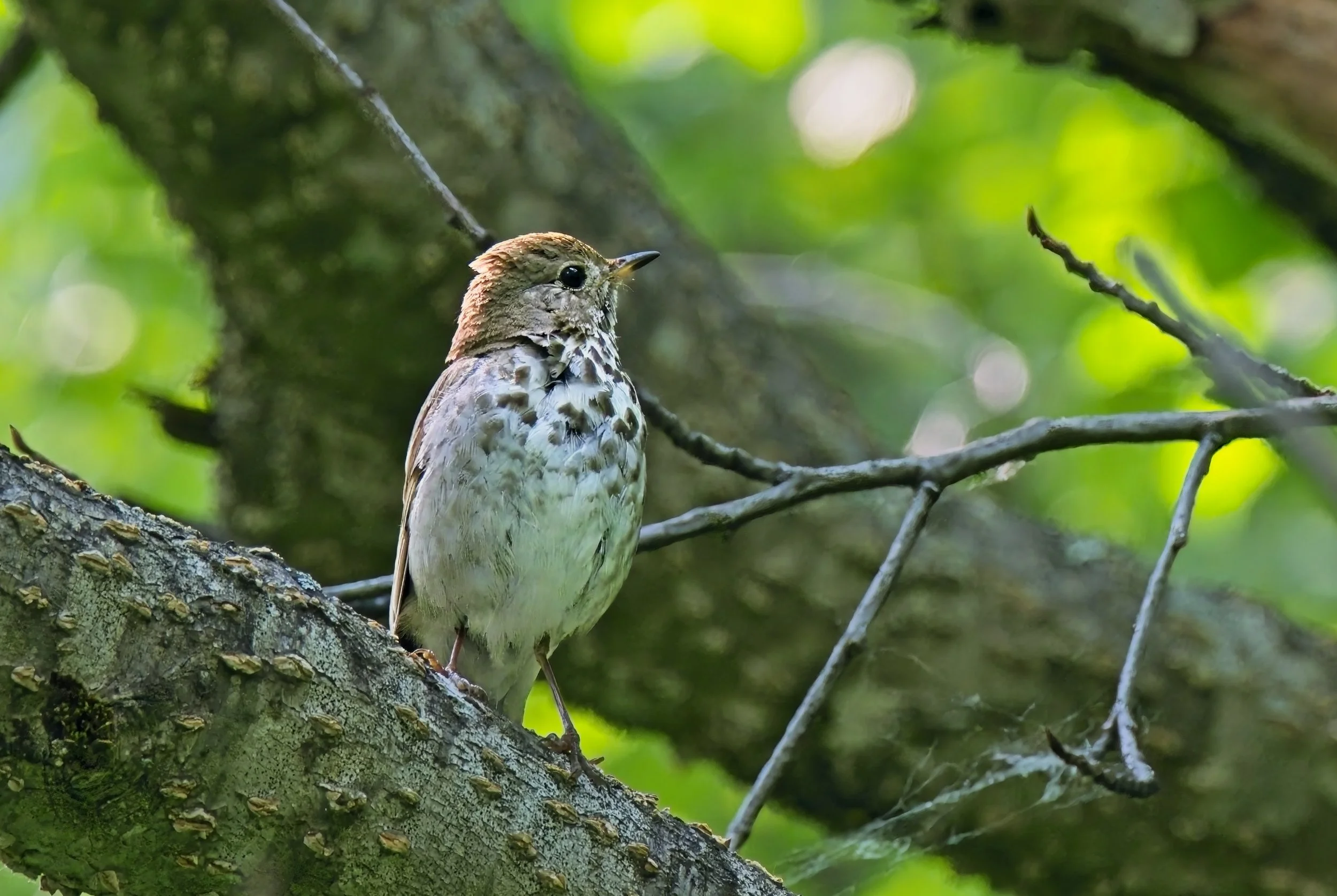
We begin this week with the secretive Hermit Thrush. It prefers the understory of northern forests, this one was photographed in Alaska. The song is in a minor key and a bit mournful but beautiful and distinctive. It is a winter visitor to the southern US forests.
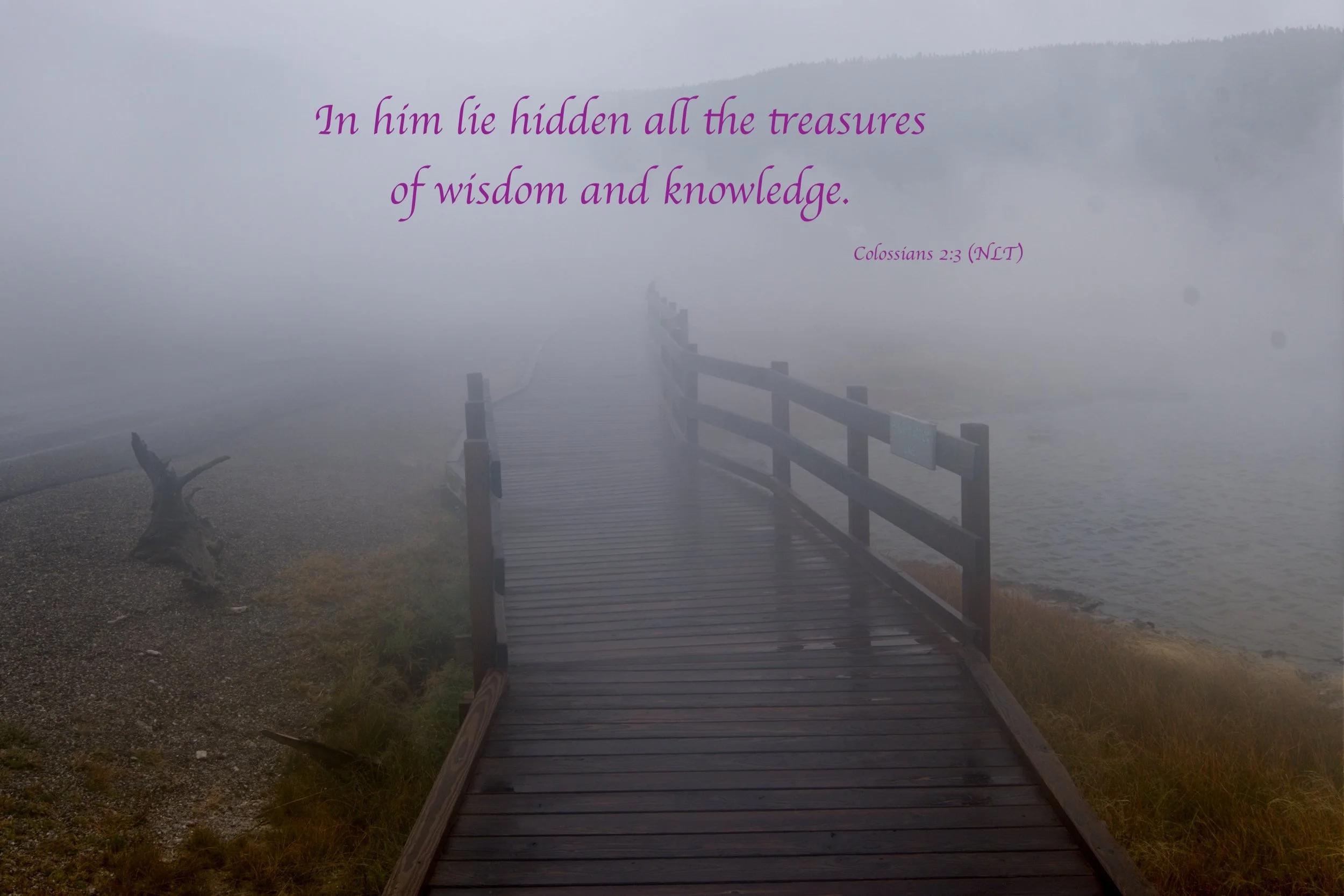
Sunday Scripture: photo is from Yellowstone National Park /
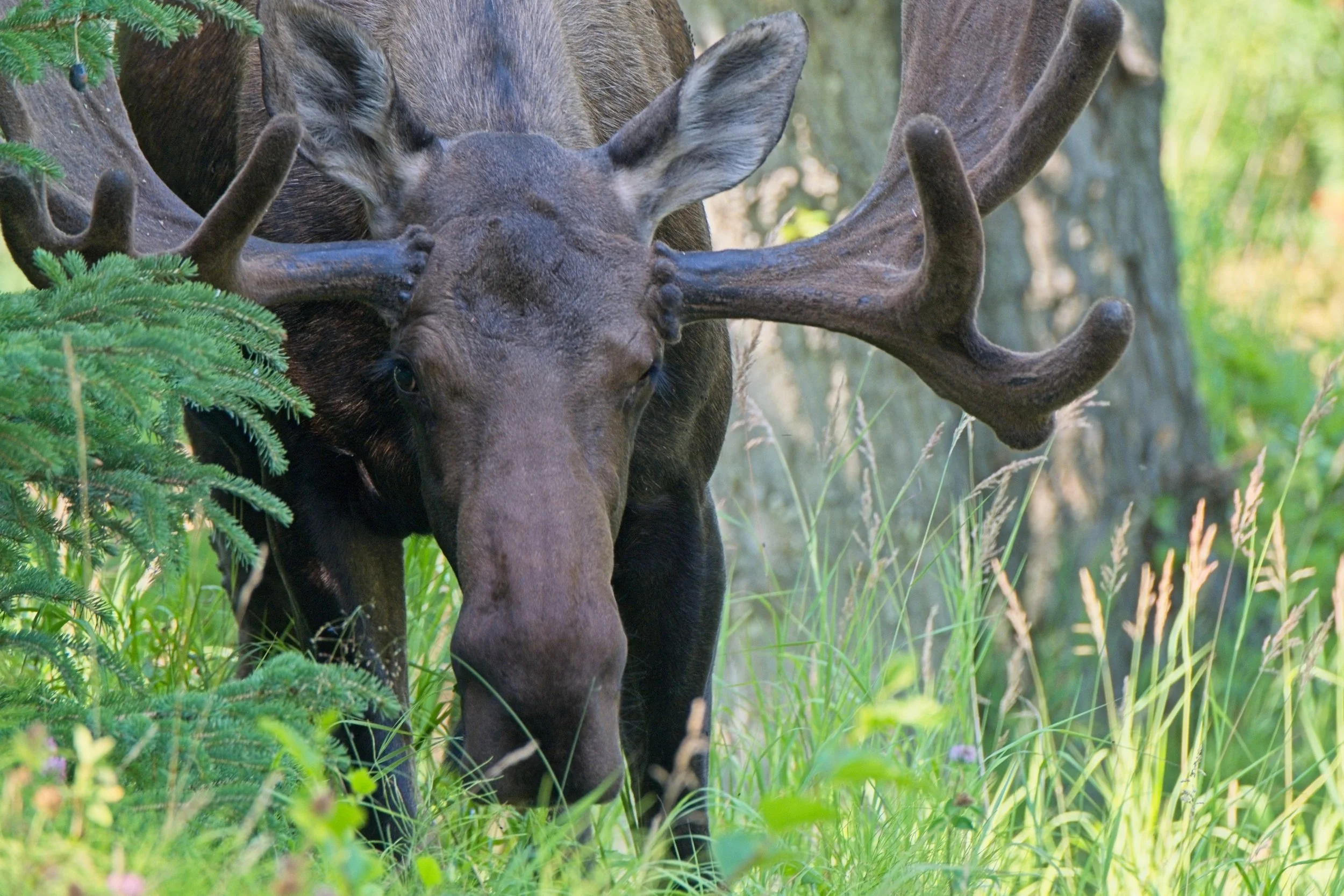
“Whatchoo Talkin’ ‘Bout, Willis?!” /
Yeah, I’m old but this moose reminded my of that line from Different Strokes. Why? We will leave that to the psychoanalysis.
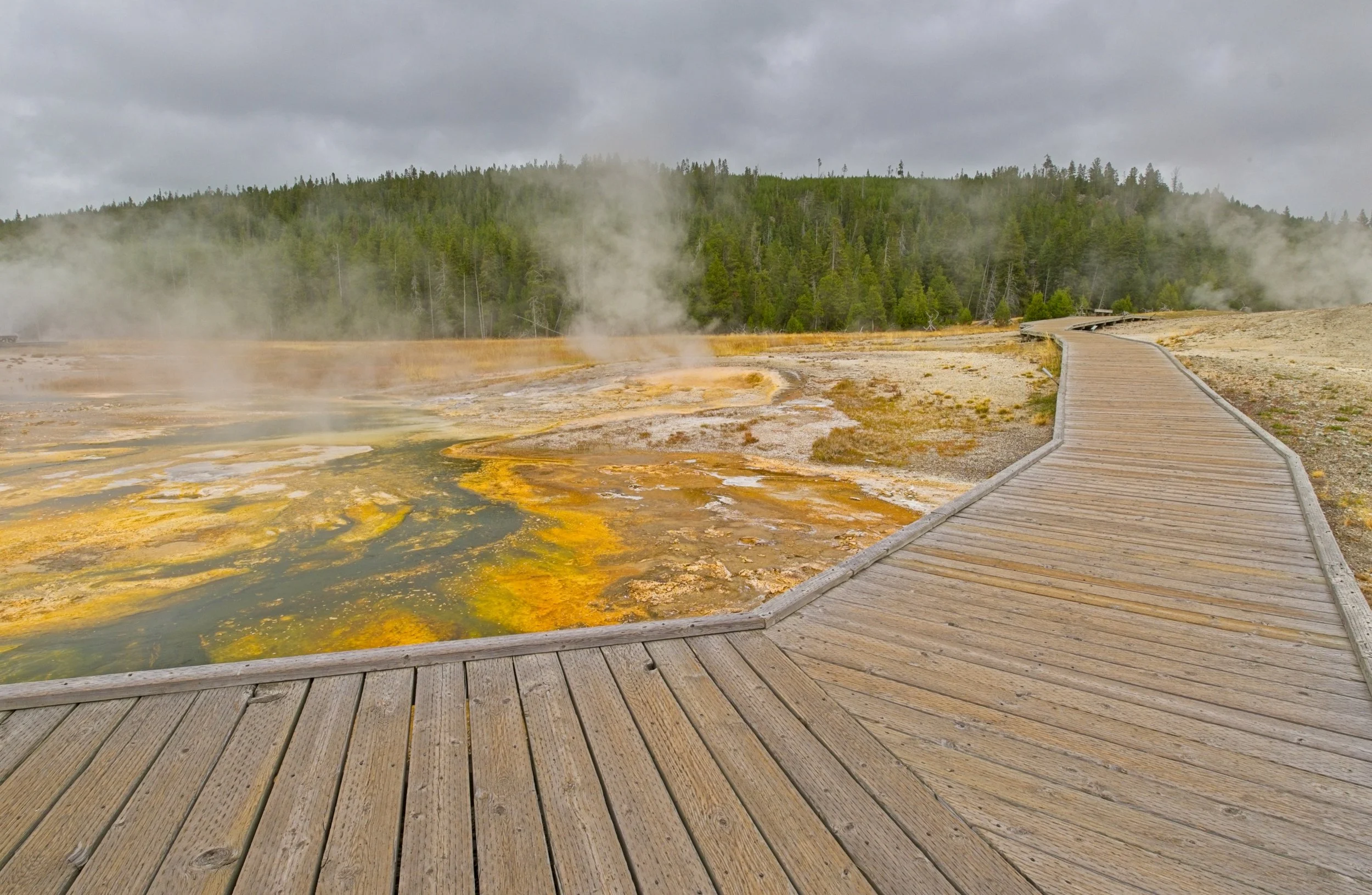
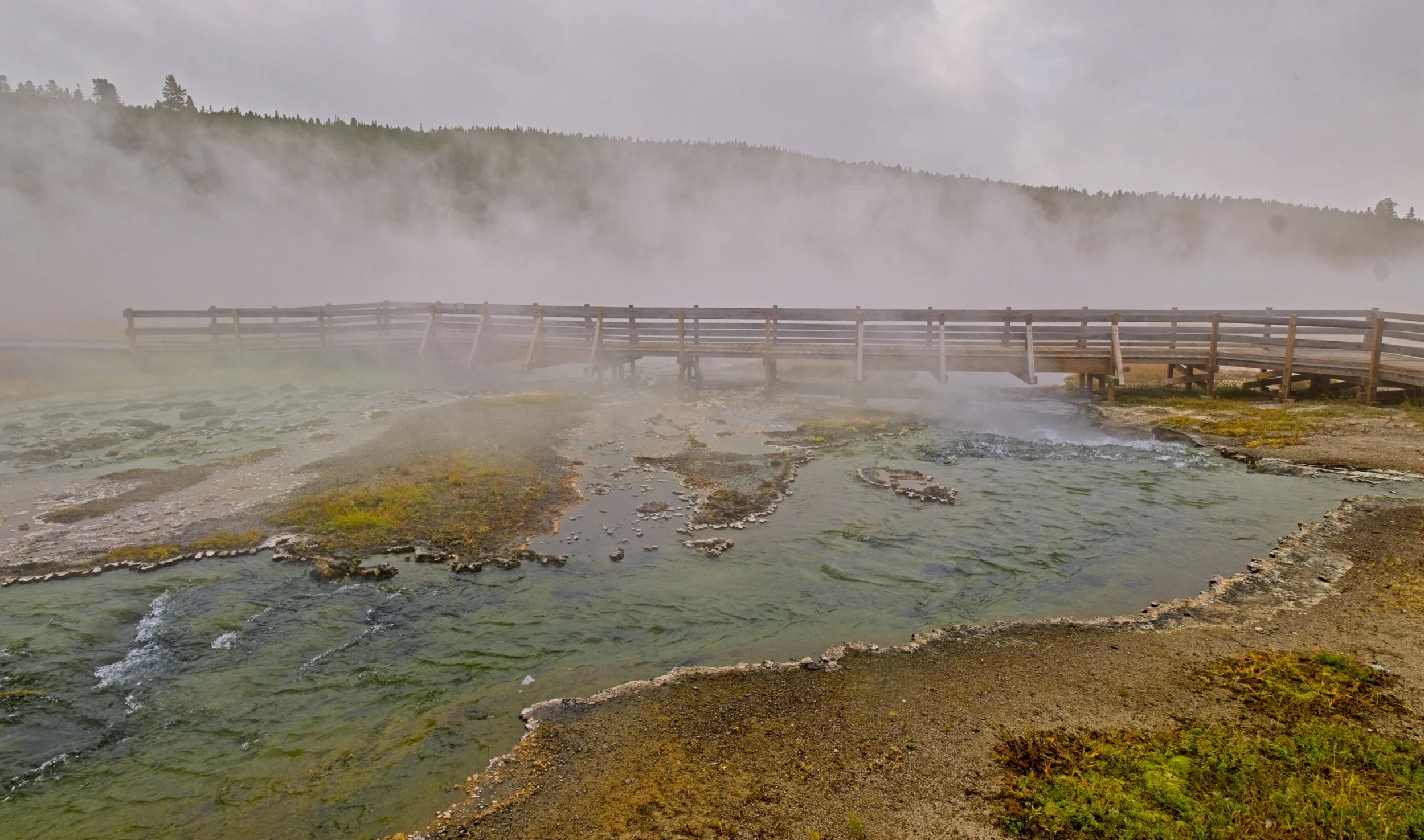
Thermals /
The endlessly fascinating and diverse hot pools in Yellowstone National Park. If we could get the salmon from yesterday’s post here, they would leap fully cooked on to your plate.
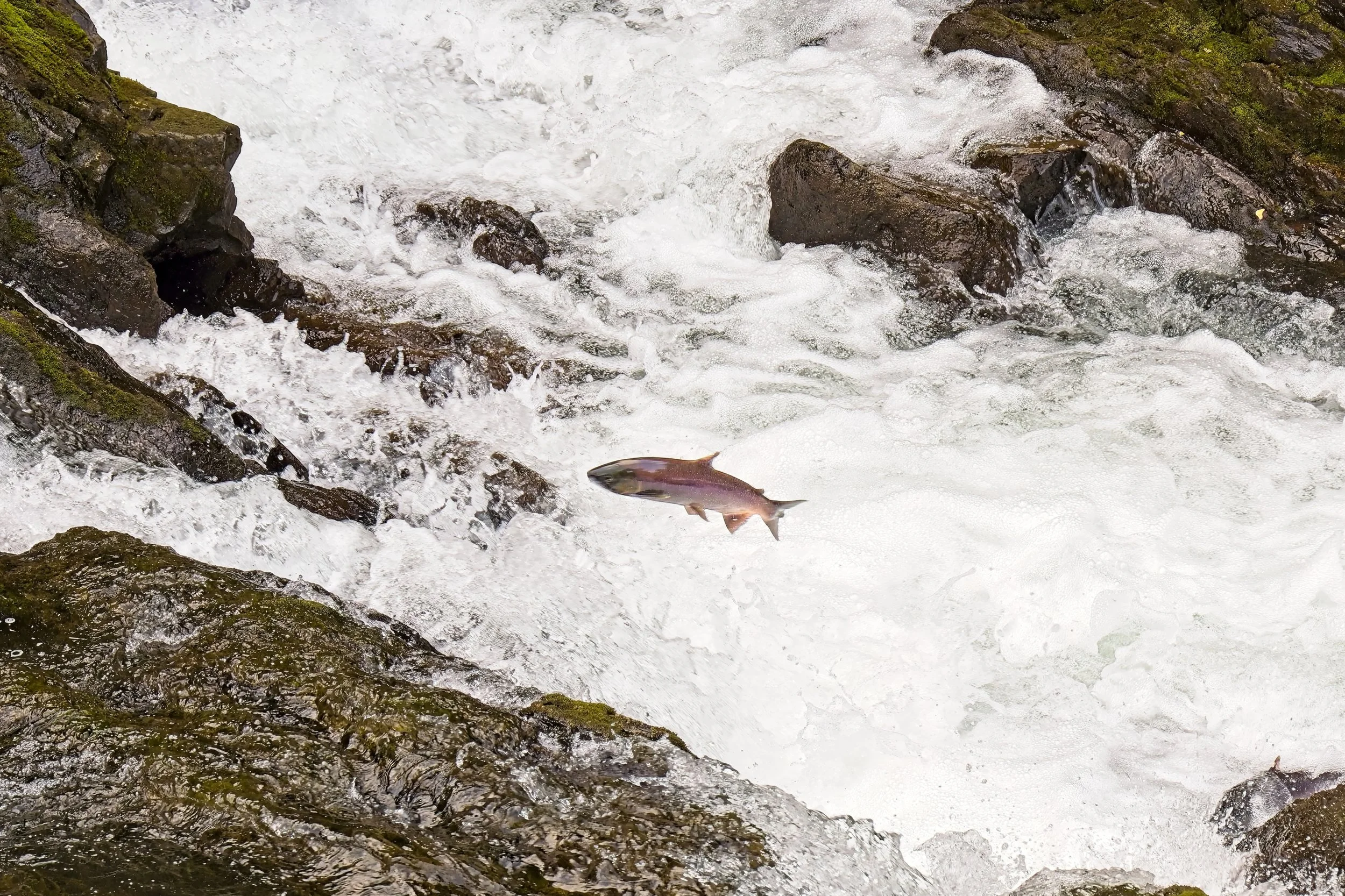
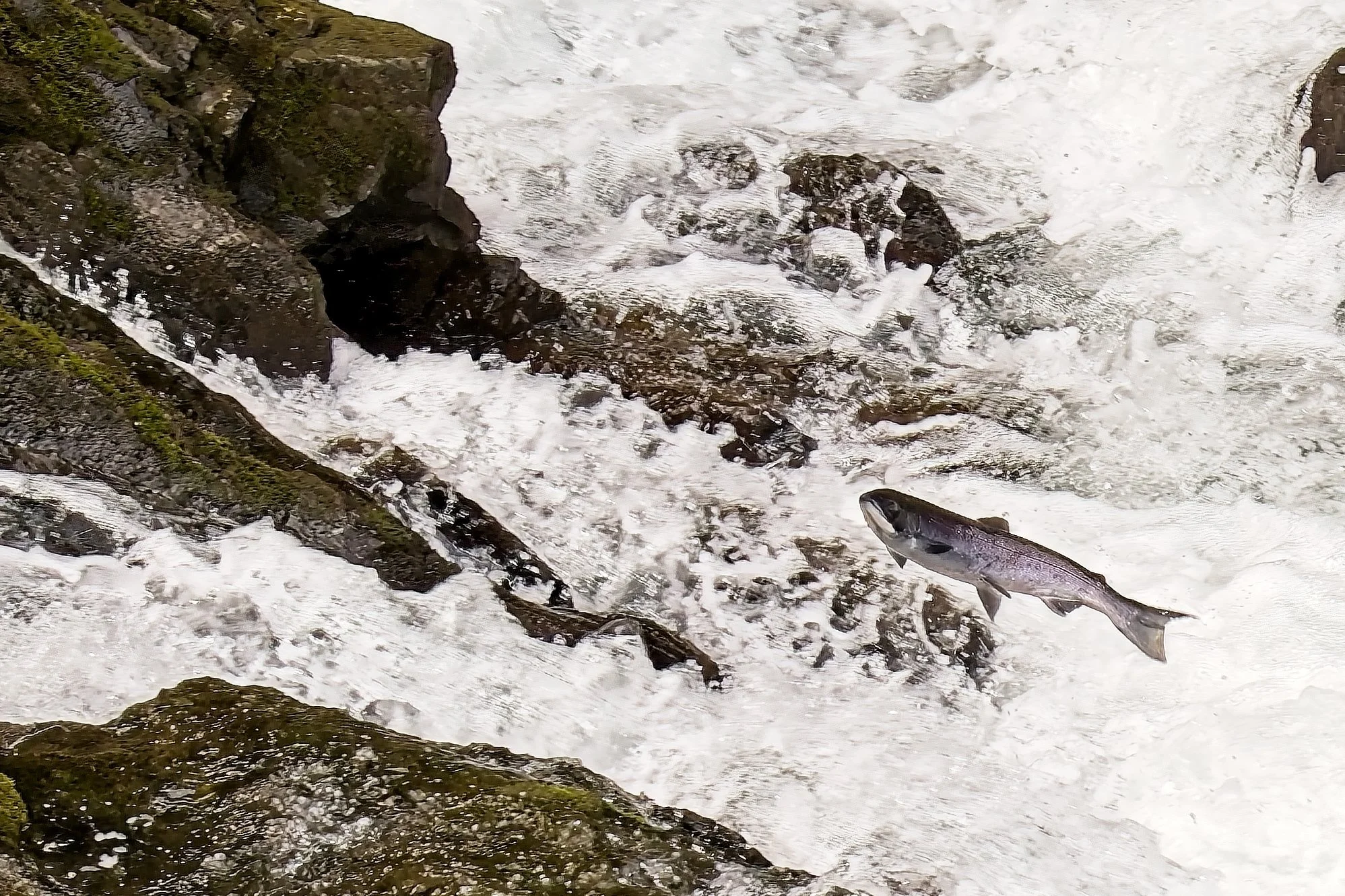
Salmon /
Salmon attempting to climb the rapids along the Russian River in Alaska. Quite a sight to watch.
Remembering /
Today would have been Cindy’s 76th birthday. Here she is on her second birthday with her mom and dad. She is missed.